The Return Window Disconnect: What Delivery Tracking Data Reveals About Customer Confusion

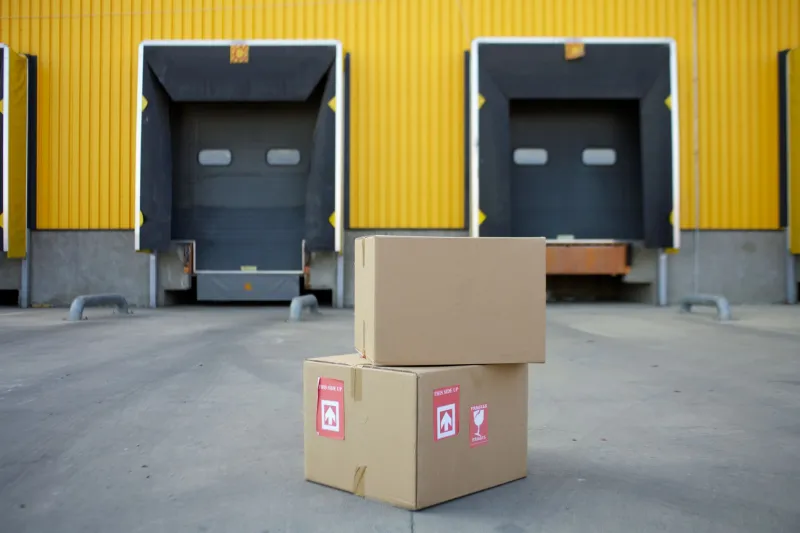
Photo: customer returning package online shopping e-commerce returns, via drake.be
Return policy disputes are one of the most persistent friction points in US e-commerce. Customers insist their return window was still open. Merchants point to policy language that clearly defines the clock's starting point. Both parties are frustrated. And somewhere between the two positions sits a problem that neither fully understands: real-time tracking communications are actively teaching customers the wrong thing about when their return eligibility begins.
The evidence is visible in shipment data. Customers who receive dense, milestone-driven tracking notifications—particularly those that culminate in a "delivered" status update—are measurably more likely to initiate return requests based on that notification than on the physical date they actually retrieved and examined their package. The tracking feed has become, for many consumers, the de facto receipt event. And most return policies were not written with that behavioral reality in mind.
How Tracking Milestones Shape Customer Perception
Consider the sequence of notifications a typical US e-commerce customer receives from the moment an order ships. Label created. In transit. Out for delivery. Delivered. Each notification arrives as a push alert, an email, or an SMS message, and each one reinforces a mental timeline that the customer is actively tracking.
When the "delivered" notification arrives, it creates a clear psychological anchor. The customer's internal clock starts. If they are not home to receive the package—if it sits on a porch, in a mailroom, or with a neighbor for 24 or 48 hours before being retrieved—the tracking system has already recorded the delivery as complete. The customer's perception of their return window has already begun, even though they have not yet opened the box.
This gap between tracked delivery and actual receipt is not a fringe scenario. In dense urban areas, apartment buildings, and office environments, packages regularly sit unaccepted for one to three days after a carrier marks them as delivered. In rural areas, the interval can extend further. Across a meaningful percentage of shipments, the date a customer first physically interacts with a package is different from the date the tracking system recorded delivery.
The Behavioral Data Pattern Businesses Are Missing
Shipment and return data, analyzed together, reveal a consistent pattern. Return requests cluster around specific tracking milestones rather than distributing evenly across the return window period. A significant concentration of return initiations occurs within 24 to 48 hours of the delivery notification—behavior consistent with customers anchoring their urgency to the tracking event rather than to actual receipt.
A second cluster appears near the end of the stated return window, which is expected. But the early-window cluster is the more operationally problematic one. These are customers who are rushing to initiate returns because they believe their window is closing faster than it actually is. They are making decisions under artificial urgency created by the tracking system's framing of delivery as a definitive, time-stamping event.
This urgency produces predictable downstream problems. Customers who rush return initiations are more likely to complete those returns impulsively, before fully evaluating whether they actually want to keep the product. Return rates among this behavioral cohort tend to run higher than among customers who initiate returns later in the window. The tracking notification, in other words, is not merely reflecting customer behavior—it is shaping it in ways that increase reverse logistics volume.
The Policy Language Problem
Most US e-commerce return policies define the return window starting from the "date of delivery" or the "date of purchase," language that seems precise but is functionally ambiguous in a world of real-time tracking.
"Date of delivery" as recorded by a carrier and "date of delivery" as experienced by a customer are not always the same date. When a customer argues that their return window should begin from when they actually received the package, they are not being unreasonable—they are applying a definition of receipt that feels more accurate than the carrier's scan timestamp. The policy language does not address this distinction, and the tracking communications actively reinforce the carrier's timestamp as the authoritative record.
The result is a dispute dynamic that is structurally built into the current approach. Businesses that rely on carrier delivery timestamps as the unambiguous start of the return clock will continue generating avoidable customer service interactions as long as their tracking communications frame the delivery notification as a receipt confirmation.
Realigning Tracking Communications With Return Policy Intent
Solving this problem does not require abandoning real-time tracking communications—it requires redesigning how those communications relate to return policy information.
Decouple delivery confirmation from return window activation: Consider implementing a short confirmation step after the delivery notification—a brief message asking the customer to confirm receipt—and framing the return window as beginning from confirmed receipt rather than carrier delivery timestamp. This approach reduces disputes by creating a customer-acknowledged receipt date that both parties can reference.
Include return window information in the delivery notification itself: The delivery notification is the highest-engagement touchpoint in the post-purchase sequence. Including a clear statement of the customer's return window—with the specific end date calculated and displayed—in that notification reduces the likelihood that customers will misremember or misapply the policy.
Adjust notification language to reflect physical receipt, not carrier status: Replacing "Your package has been delivered" with language that acknowledges the distinction between carrier delivery and customer receipt—"Your package has been delivered to your address and should be available for pickup"—is a small change that meaningfully reduces the anchoring effect of the delivery notification.
Use tracking data to identify high-risk delivery scenarios proactively: Shipments to addresses with a history of delayed customer retrieval—apartment buildings, business addresses, or locations with prior delivery exception records—can be flagged for extended return window consideration or proactive outreach that sets accurate receipt expectations.
The Operational Case for Getting This Right
Reverse logistics costs in US e-commerce are significant and growing. Reducing unnecessary returns by even a modest percentage translates into material operational savings—lower restocking costs, reduced carrier spend on return shipments, and fewer customer service interactions driven by return window disputes.
The tracking data businesses already collect contains the behavioral signals needed to identify where these misalignments are occurring and which customer segments are most affected. Applying that data to return policy communication design is not a complex undertaking. But it requires recognizing that the tracking feed is not a neutral information channel—it is an active influence on customer behavior, and it should be managed accordingly.