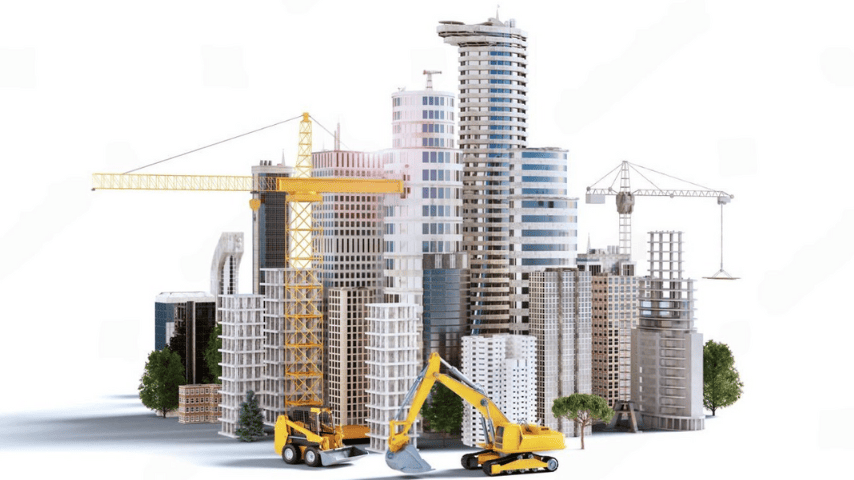

Architectural models help people understand building designs in a physical form. They make it easier to study layouts, scale, and spatial relationships. Developers, architects, and investors often rely on physical models during planning and presentations.
The quality of a model depends greatly on the materials used to build it. Each material has a specific purpose. Some materials are used for structure, while others add fine details or landscape elements. A professional Architectural Scale Model Making Service carefully selects materials to achieve both accuracy and durability.
Foam Board for Structural Bases
Foam board is one of the most widely used materials in architectural models. It consists of a lightweight foam core placed between two paper layers. This material is easy to cut and shape. Designers use foam board mainly for base platforms and building massing.
Foam board is popular because it is affordable and simple to work with. It allows model makers to quickly create walls, terrain layers, and foundation structures. The smooth surface also supports painting and finishing. Because it is lightweight, foam board works well for large models that need to be transported to exhibitions or offices.
Acrylic Sheets for Transparent Elements
Acrylic sheets are commonly used to represent glass surfaces in buildings. These sheets are clear, strong, and smooth. They are perfect for windows, skylights, and curtain wall facades.
Acrylic can be laser cut to achieve precise shapes. It can also be polished to create a glass-like appearance. In many modern projects, buildings include large glass areas. Acrylic helps model makers replicate these architectural details clearly. It also adds a professional look to the final presentation.
Wood and MDF for Strong Structures
Wood is another important material in model construction. Thin plywood and MDF boards are often used for structural parts. These materials provide strength and stability. They are especially useful for larger buildings or base platforms.
MDF is smooth and consistent in texture. It is easy to machine using CNC or laser cutting tools. This allows model makers to produce precise shapes and patterns. Wood materials also give models a natural and high-quality finish. In some luxury projects, wooden elements are intentionally left visible to enhance the aesthetic appeal.
Plastic Sheets and Styrene for Fine Details
Plastic sheets, often made from styrene or PVC, are widely used for detailed components. These materials are thin and flexible. They can be cut into very small shapes without breaking.
Model makers use plastic sheets for railings, panels, wall cladding, and decorative features. Because plastic is lightweight, it does not add extra weight to the model. It also accepts paint very well. This helps in creating realistic building surfaces and textures.
Styrene sheets are particularly useful when complex architectural patterns are required. They can be layered to simulate facade structures or architectural textures.
3D Printed Components for Complex Shapes
3D printing technology has changed the way architectural models are produced. It allows the creation of highly detailed components that would be difficult to make by hand. Curved buildings, intricate facades, and decorative elements can now be produced accurately.
Many professional studios combine digital design with physical model production. This approach increases precision and reduces production time. A modern architectural scale model making service often uses 3D printing to create complex building parts such as balconies, structural frames, and ornamental details.
Paper and Cardboard for Concept Models
Paper and cardboard are often used during the early design stage. These materials are inexpensive and easy to modify. Architects frequently use them to build concept models that test design ideas.
Cardboard can be layered to represent building volumes and terrain levels. Paper sheets can be folded or cut to form roofs and structural shapes. Although these materials are simple, they are extremely useful for quick prototyping.
Concept models made from paper help architects review proportions and spatial relationships before moving to detailed models.
Resin for High Precision Elements
Resin is another material used in advanced architectural models. It is often used with casting or 3D printing techniques. Resin can capture very fine details, which makes it suitable for miniature features.
Model makers may use resin to create statues, furniture pieces, or decorative architectural components. Once cured, resin becomes strong and smooth. It can also be painted or polished for a realistic appearance.
Landscape Materials for Environment Representation
Architectural models do not only show buildings. They also represent the surrounding environment. Landscaping materials help create realistic outdoor scenes.
Artificial grass, foam foliage, and sponge materials are often used to represent trees and vegetation. Sand and textured powders can simulate roads and pathways. Small stones may represent terrain features.
Trees are sometimes made from wire structures covered with foliage materials. These landscape elements add depth and context to the model. They help viewers understand how the building interacts with its surroundings.
Metal Elements for Structural Accuracy
In some high-end models, metal materials are also used. Thin aluminum or brass components may represent structural frames or railings. Metal parts are durable and provide a precise finish.
Laser-cut metal sheets can reproduce fine architectural patterns. These patterns are often found in modern building facades. Metal materials are also useful for supporting internal structures in large-scale models.
Combining Materials for Realistic Results
Professional model makers rarely rely on a single material. Instead, they combine several materials to achieve the best results. Each material contributes a specific quality to the model.
Foam board may form the base. Acrylic may represent glass windows. Wood may provide structural strength. Plastic sheets may add small details. Landscape materials bring the surroundings to life.
A well-crafted model requires careful planning and precise assembly. Experienced teams understand how different materials interact and how to use them effectively. This is why many developers rely on an experienced Architectural Scale Model Making Service to produce high-quality presentation models.
Conclusion
Architectural models depend heavily on the choice of materials. Foam board, acrylic, wood, plastic, resin, and landscape elements all play important roles. Each material helps represent a specific aspect of the building or environment.
The combination of traditional materials and modern technologies allows model makers to achieve impressive results. Detailed models help architects communicate ideas clearly and support better decision making. When the right materials are used, the final model becomes a powerful visual tool for design, marketing, and project approval.