
In today’s competitive business world, keeping teams productive and engaged is more important than ever. Tracking employee performance is not about surveillance—it’s about understanding work patterns, identifying bottlenecks, and helping employees reach their full potential. Using smart tools and strategies can make this process efficient, ethical, and actionable.
Why Tracking Employee Performance Matters
Monitoring performance helps organizations:
- Identify high performers and reward them appropriately.
- Detect inefficiencies or skill gaps in workflows.
- Improve project planning and resource allocation.
- Make informed decisions about promotions, training, or interventions.
When done correctly, performance tracking fosters growth, motivation, and accountability without creating a culture of mistrust.
Smart Ways to Track Employee Performance
1. Set Clear Goals and KPIs
Define measurable goals and Key Performance Indicators (KPIs) for each employee or team. Examples include:
- Number of tasks completed
- Quality of work
- Client or internal feedback
- Sales or revenue targets
Clear KPIs give employees a roadmap for success and make performance tracking objective.
2. Use Employee Monitoring Software
Modern Employee Monitoring Systems (EMS) allow managers to:
- Track time spent on tasks
- Monitor application and website usage
- Generate productivity reports
These tools provide data-driven insights to guide performance improvements.
3. Regular Check-Ins and Feedback
Don’t rely solely on metrics. Schedule weekly or monthly check-ins to:
- Discuss progress on projects
- Identify challenges
- Offer constructive feedback and guidance
Frequent communication keeps employees aligned with goals and engaged in their work.
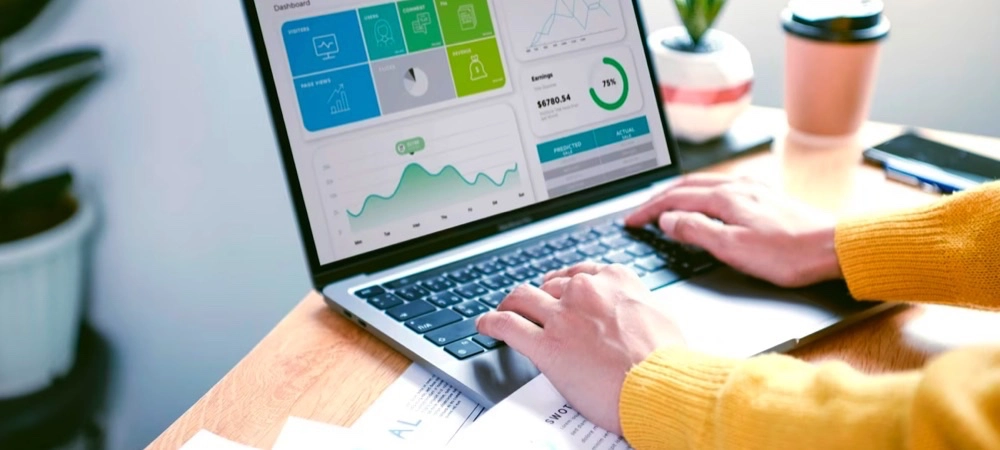
4. Implement Performance Dashboards
Dashboards provide real-time visibility into individual or team performance. Features can include:
- Task completion rates
- Hours worked vs. planned
- Productivity trends over time
Dashboards make performance tracking transparent and easy to interpret.
5. Encourage Self-Assessment
Allow employees to evaluate their own performance regularly. Self-assessment promotes:
- Accountability
- Reflection on personal efficiency
- Identification of areas for growth
Combining self-assessments with manager insights creates a well-rounded evaluation.
6. Focus on Outcomes, Not Just Activity
Avoid micromanaging every click or keystroke. Instead, focus on:
- Completed tasks
- Achieved milestones
- Impact on team goals
Outcome-based tracking encourages productivity without creating unnecessary stress.
7. Leverage Analytics for Continuous Improvement
Analyze performance data to:
- Identify top performers for recognition
- Detect skill gaps requiring training
- Spot workflow inefficiencies and bottlenecks
Data-driven insights empower managers to make informed decisions that benefit both employees and the organization.
Best Practices for Tracking Performance Ethically
- Transparency: Inform employees about monitoring tools and their purpose.
- Respect Privacy: Avoid tracking personal activities unrelated to work.
- Focus on Development: Use data to help employees grow, not punish them.
- Combine Metrics with Human Insight: Numbers alone don’t tell the whole story.
Conclusion
Smart performance tracking is a win-win strategy. Organizations gain insights to optimize productivity, while employees receive clear guidance, feedback, and opportunities to grow. By combining technology, communication, and ethical practices, you can create a workplace where performance thrives and productivity soars.