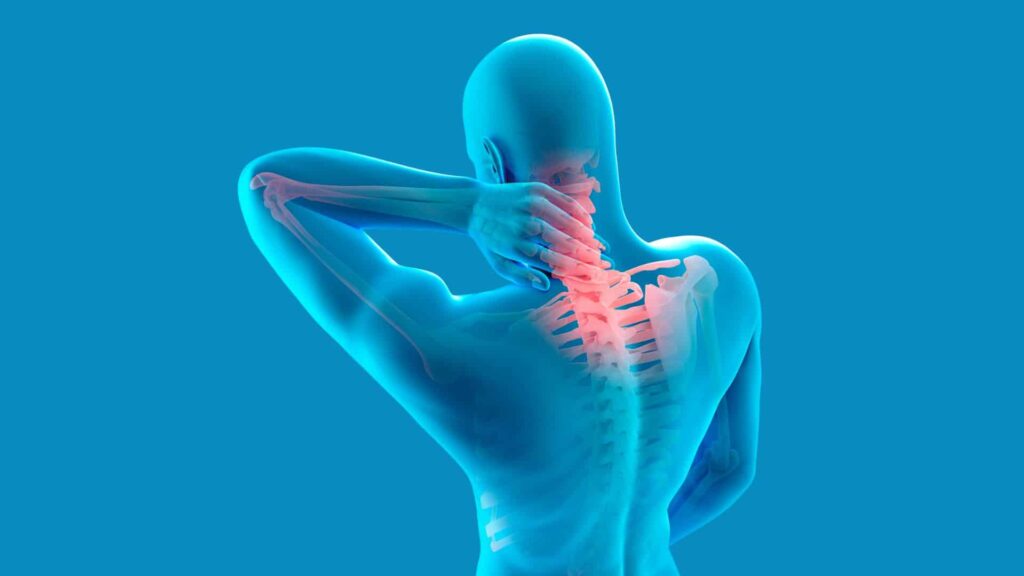

Radicular pain can feel sudden, intense, and confusing. It often starts deep in the spine and then travels into the arms, legs, or hips. Many people describe it as sharp, burning, or electric, and it can quickly interfere with daily life. If you have ever felt pain shoot down your leg or arm from your back or neck, you may have experienced radicular pain.
This type of pain is more common than many people realize, especially among adults in the United States who spend long hours sitting, lifting, or dealing with age-related spine changes. Understanding what radicular pain is and how it is treated can help you take control and move toward relief.
What Is Radicular Pain?
Radicular pain occurs when a spinal nerve becomes irritated, inflamed, or compressed. The key feature of this pain is that it does not stay in one place. Instead, it follows the path of the affected nerve. That is why pain may begin in the neck or lower back and then travel into the arm, hand, leg, or foot.
Unlike muscle pain, which usually feels sore or tight, radicular pain feels sharper and more intense. Many people describe it as stabbing, shooting, or burning. Because nerves are involved, the pain often comes with other sensations like tingling or numbness.
How Radicular Pain Feels in Everyday Life
Radicular pain can vary in intensity, but it often gets worse with movement. Sitting for long periods, bending forward, coughing, or sneezing may increase the pain. Some people notice that the pain eases slightly when lying down, while others struggle to find a comfortable position at all.
In daily life, this type of pain can make simple tasks difficult. Walking, driving, sleeping, or even holding objects may become uncomfortable. Over time, ongoing nerve pain can affect mood, energy levels, and overall quality of life.
Common Areas Affected by Radicular Pain
Radicular pain is often grouped by where it starts in the spine. When it begins in the neck, it is called cervical radicular pain. This type of pain usually travels into the shoulder, arm, or hand and may affect grip strength or finger sensation.
When radicular pain starts in the lower back, it is known as lumbar radicular pain. This is the most common form and is often linked to sciatica. The pain typically moves from the lower back into the hip, buttock, and down one leg. Less commonly, radicular pain can begin in the upper or middle back and wrap around the chest or ribs.
What Causes Radicular Pain?
The most common cause of radicular pain is pressure on a spinal nerve. A herniated or bulging disc is a frequent reason. Discs sit between the bones of the spine and act as cushions. When a disc bulges or ruptures, it can press on a nearby nerve and cause pain that radiates outward.
Another common cause is spinal stenosis, a condition where the spaces in the spine narrow over time. This narrowing puts pressure on nerves and can lead to pain, numbness, or weakness. Bone spurs, which are extra bone growths that develop with aging, can also press on nerves and cause radicular pain.
Injuries such as falls, car accidents, or sports trauma can damage the spine and trigger nerve compression. Degenerative disc disease, which happens as discs lose flexibility with age, is another common contributor to radicular pain.
Symptoms That Often Come With Radicular Pain
Radicular pain rarely appears alone. Many people also experience tingling or a pins-and-needles sensation in the affected arm or leg. Numbness is also common and may come and go. In some cases, muscles supplied by the affected nerve become weak, making it harder to lift objects, walk steadily, or maintain balance.
These symptoms may worsen over time if the underlying cause is not treated. Persistent weakness or numbness should always be taken seriously and evaluated by a healthcare professional.
How Radicular Pain Is Diagnosed
Diagnosing radicular pain usually starts with a physical exam and a detailed discussion of symptoms. A healthcare provider may test reflexes, muscle strength, and sensation to identify which nerve is involved.
Imaging tests such as MRI or CT scans are often used to confirm the cause. These scans can show disc problems, nerve compression, or spinal narrowing. Accurate diagnosis is important because treatment depends on the exact source of the pain.
Treatment Options for Radicular Pain
Treatment for radicular pain focuses on reducing nerve pressure and managing discomfort. In many cases, conservative care is effective. Physical therapy is often recommended to improve strength, flexibility, and posture. Proper movement can relieve pressure on the nerves and support healing.
Pain relief medications may also be part of treatment, especially during painful flare-ups. For moderate to severe pain, doctors may discuss prescription options such as aspadol. In some cases, aspadol 100mg tapentadol tablets may be considered for short-term pain management under strict medical supervision. These medications are typically used when other treatments do not provide enough relief and should only be taken exactly as prescribed.
In situations where pain does not improve, injections may be used to reduce inflammation around the nerve. Surgery is usually a last resort and is reserved for cases involving severe pain, ongoing nerve damage, or loss of function.
Living With and Managing Radicular Pain
Living with radicular pain can be challenging, but many people improve with consistent care. Staying active within comfort limits is important, as too much rest can weaken muscles and slow recovery. Gentle movement helps maintain flexibility and circulation.
Making small changes at home and work can also help. Improving posture, using supportive seating, and avoiding heavy lifting reduce strain on the spine. Maintaining a healthy weight lowers pressure on the back and joints, which can ease nerve irritation over time.
Can Radicular Pain Become Chronic?
If radicular pain is not treated properly, it can become chronic. Ongoing nerve compression may lead to lasting nerve damage, which can cause long-term pain or weakness. Early diagnosis and appropriate treatment greatly reduce this risk.
Paying attention to symptoms and seeking medical advice early improves outcomes. Most people respond well to treatment and regain comfort and mobility.
Final Thoughts on Radicular Pain
Radicular pain can be sharp, frustrating, and disruptive, but it is also highly manageable in most cases. Understanding why the pain occurs and how it travels helps reduce fear and confusion. With the right combination of medical care, movement, and lifestyle adjustments, many people find meaningful relief.
Pain is your body’s signal that something needs attention. Listening to that signal and acting early can prevent long-term problems and support a healthier, more active life.
Call to Action
If you are experiencing sharp, radiating pain that affects your daily activities, do not ignore it. Speak with a healthcare professional to identify the cause and explore safe treatment options. Early care can make a real difference and help you get back to living comfortably and confidently.