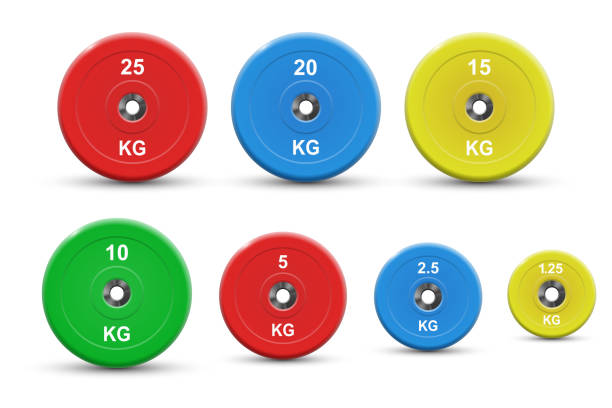

Building a home gym is one of the smartest investments for long-term fitness, but choosing the right equipment can be overwhelming—especially when it comes to weight plates. With multiple materials, sizes, hole diameters, and training styles to consider, selecting the wrong plates can limit your progress, damage your flooring, or reduce safety during workouts.
Whether you’re a beginner starting strength training or an experienced lifter upgrading your setup, this guide will help you understand how to choose the right weight plates for your home gym, based on space, training goals, and budget.
1. Understand Your Training Goals First
Before comparing materials or price points, clarify how you plan to train.
- General fitness & toning: Light to moderate weights, adjustable dumbbells, and smaller plates work well.
- Strength training: Progressive loading is key, so durability and accuracy matter.
- Powerlifting or Olympic lifting: Heavy-duty, standardised plates are essential.
- Functional or circuit training: Plates that are easy to grip and quick to change are ideal.
Your training style directly affects the type of weight plates you should buy.
2. Choose the Correct Plate Hole Size
One of the most critical (and commonly overlooked) factors is plate hole diameter.
Standard Plates (1-inch / 28mm)
- Compatible with basic bars and dumbbell handles
- Typically cheaper
- Suitable for beginners and light training
- Limited weight capacity
Olympic Plates (2-inch / 50mm)
- Fit Olympic barbells
- Designed for heavier loads
- More durable and widely used
- Ideal for long-term progression
If you plan to lift heavy or upgrade equipment later, Olympic plates are the better long-term choice.
3. Select the Right Plate Material
Weight plates come in several materials, each with specific benefits.
Cast Iron Weight Plates
- Classic and highly durable
- Slim profile allows more weight on the bar
- Usually the most affordable option
- Can be noisy and harsh on floors without mats
Rubber-Coated Weight Plates
- Reduced noise and floor damage
- Better grip and safer handling
- Ideal for home gyms
- Slightly thicker than iron plates
Bumper Plates
- Made from dense rubber
- Designed for dropping lifts (deadlifts, Olympic lifts)
- Protect floors and barbells
- Take up more space on the bar
For most home gym users, rubber-coated or bumper plates offer the best balance of safety and comfort.
4. Consider Plate Design & Grip Features
Grip-friendly designs make a big difference in daily training.
- Tri-grip or quad-grip plates allow easier loading and safer handling
- Raised lettering helps identify weight quickly
- Smooth edges may look cleaner but are harder to manage
If you train alone at home, grip plates significantly reduce injury risk when changing weights.
5. Think About Accuracy and Weight Tolerance
Not all plates weigh exactly what they claim.
- Budget plates may have higher weight variance
- Calibrated plates are extremely accurate but expensive
- Most home gym users don’t need competition-grade precision
If consistency matters for progression tracking, choose plates from a reputable supplier that maintains reasonable weight tolerances.
6. Match Plates With Your Space & Flooring
Home gyms often operate in limited space, so practicality matters.
- Thicker plates require more bar sleeve space
- Droppable plates need rubber flooring
- Iron plates should always be used with mats
Measure your training area and invest in floor protection before purchasing heavier plates.
7. Buy Plates as Sets for Better Value
Buying random plates can lead to imbalance and limited progression.
Recommended starter setups:
- Beginner: 60–80 kg total
- Intermediate: 100–140 kg total
- Advanced: 160 kg or more
Purchasing a complete set ensures:
- Balanced loading
- Better price per kilogram
- Easier progression
You can explore a wide range of quality weight plates suitable for home gyms at GymLoads’ weight plates collection.
8. Don’t Ignore Compatibility With Other Equipment
Your plates should work seamlessly with:
- Barbells
- Dumbbell handles
- Storage racks
- Plate-loaded machines
Olympic plates offer the most universal compatibility, especially if you plan to expand your gym setup over time.
9. Balance Budget With Long-Term Use
Cheapest isn’t always best.
Ask yourself:
- Will these plates last 5–10 years?
- Can they handle heavier loads later?
- Will I need to replace them soon?
Spending slightly more upfront on durable plates often saves money long-term and improves training consistency.
10. Safety and Warranty Matter
Reliable suppliers provide:
- Clear product specifications
- Return policies
- Customer support
- Consistent quality control
Avoid unknown brands with vague descriptions, especially for heavier plates.
11. Future-Proofing Your Home Gym Investment
When choosing weight plates, it’s smart to think beyond your current fitness level. Many home gym owners outgrow their initial setup within a year as strength increases and training becomes more structured. Investing in scalable equipment—such as Olympic-size plates—allows you to add weight gradually without replacing your entire system.
Future-proofing also means considering versatility. Plates that can be used across barbells, dumbbells, plate-loaded machines, and storage trees give you far more flexibility as your training evolves. Additionally, durable materials like rubber-coated or bumper plates maintain their condition over time, even with frequent use.
Storage is another long-term factor. Choosing plates with uniform sizing and compatible storage racks helps keep your gym organised and safe, especially in smaller home spaces. A well-planned weight plate purchase not only supports immediate workouts but also ensures your home gym remains functional, efficient, and enjoyable for years to come.
Final Thoughts
Choosing the right weight plates for your home gym isn’t just about price—it’s about training efficiency, safety, durability, and future progress. By considering plate size, material, grip design, accuracy, and compatibility, you can build a setup that grows with your fitness goals.
A well-chosen set of weight plates transforms your home gym into a reliable, long-term training space. For lifters looking for dependable options designed for UK home gyms, GymLoads’ weight plates collection offers practical solutions for beginners and experienced athletes alike.