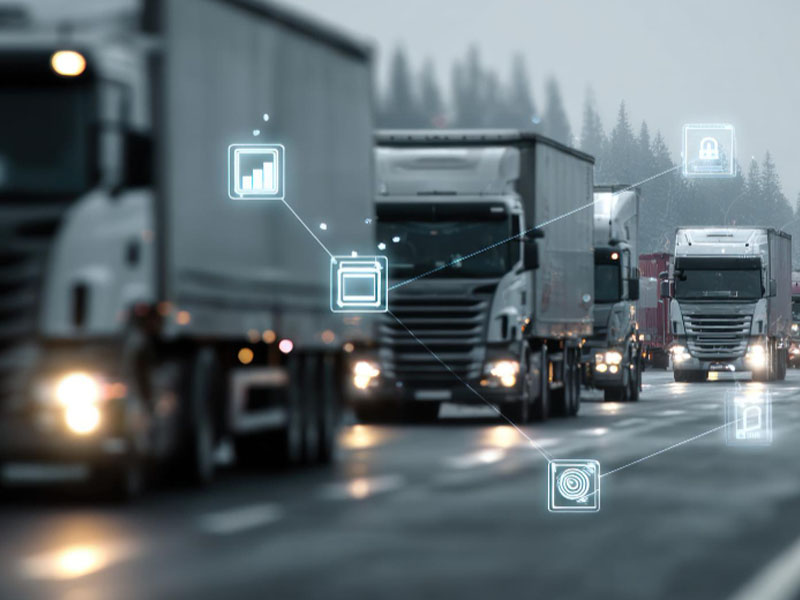
In today’s highly competitive and technology-driven business environment, companies that depend on transportation must operate with speed, accuracy, and efficiency. From logistics providers and courier services to construction firms and field maintenance teams, fleet operations play a vital role in ensuring business continuity and customer satisfaction.
However, traditional fleet management methods—such as manual record keeping, phone-based coordination, and spreadsheet tracking—are no longer sufficient to handle modern operational demands. These outdated approaches often result in delays, rising expenses, limited visibility, and poor accountability.
To overcome these challenges, forward-thinking organizations are increasingly adopting fleet management software as a core digital solution. These advanced platforms integrate GPS tracking, cloud computing, and data analytics to create intelligent, connected, and highly efficient fleet ecosystems.
The Evolution of Fleet Management
Fleet management has evolved significantly over the past decade. Earlier systems focused mainly on basic vehicle tracking and manual reporting. While useful at the time, these tools offered limited insight into operational performance.
Modern fleet management software goes far beyond location monitoring. It delivers real-time dashboards, predictive analytics, automated alerts, and deep integration with enterprise systems. This evolution enables businesses to shift from reactive problem-solving to proactive planning and continuous improvement.
Digital transformation in fleet operations is now a strategic priority rather than an optional upgrade.
Building Operational Excellence Through Real-Time Visibility
One of the most powerful features of fleet management software is real-time visibility. Managers can instantly monitor vehicle locations, route progress, idle time, and driver behavior from a centralized interface.
This transparency allows organizations to:
- Respond quickly to traffic disruptions
- Reassign vehicles when emergencies arise
- Prevent unauthorized usage
- Optimize daily scheduling
Real-time monitoring improves coordination between dispatchers, drivers, and customer service teams. As a result, operations become more reliable and predictable.
Optimizing Routes and Resource Allocation
Route planning is a critical factor in fleet efficiency. Poor routing leads to wasted fuel, longer delivery times, and increased vehicle wear.
Fleet management software uses historical and live data to recommend optimized routes based on traffic patterns, weather conditions, and delivery priorities. Automated route optimization ensures that vehicles travel the shortest and safest paths.
In addition, managers can allocate resources more effectively by analyzing vehicle utilization rates. Underused assets can be reassigned, while overloaded vehicles can be redistributed.
This balanced approach maximizes productivity across the entire fleet.
Cost Control and Financial Sustainability
Fleet operations involve substantial financial commitments. Fuel expenses, maintenance costs, insurance premiums, and depreciation can significantly affect profitability.
Fleet management software helps businesses control these expenses through:
- Fuel consumption monitoring
- Detection of inefficient driving patterns
- Preventive maintenance scheduling
- Automated expense reporting
Predictive maintenance features identify potential mechanical issues before they become serious problems. This reduces unexpected breakdowns and costly emergency repairs.
Over time, improved cost control strengthens financial sustainability and enhances investor confidence.
Fleet Management Software UAE: Supporting Regulatory Compliance
Operating in the UAE requires businesses to comply with strict transportation regulations, safety standards, and documentation requirements. Non-compliance can result in fines, operational disruptions, and reputational damage.
Specialized fleet management software UAE platforms are tailored to meet these regional requirements. They support electronic record keeping, inspection scheduling, driver certification tracking, and compliance reporting.
Integration with smart city infrastructure and government systems further simplifies regulatory processes. This ensures smooth audits and long-term operational stability.
Enhancing Driver Performance and Workplace Safety
Drivers are at the heart of fleet operations. Their behavior directly affects safety, costs, and service quality. Risky driving practices such as speeding, harsh acceleration, and distracted driving increase accident risks and insurance claims.
Fleet management software continuously monitors driving behavior and generates detailed performance reports. Managers can use this data to:
- Provide targeted training programs
- Reward safe driving habits
- Address risky behavior early
- Improve overall road safety
This data-driven approach fosters a culture of responsibility and professionalism within the organization.
Improving Customer Experience and Service Quality
Customer expectations have changed dramatically in the digital age. Clients now demand real-time updates, accurate delivery estimates, and transparent communication.
Fleet management software enables businesses to offer:
- Live shipment tracking
- Automated delivery notifications
- Accurate arrival time predictions
- Proactive delay alerts
This level of transparency builds trust and strengthens customer relationships. Satisfied customers are more likely to provide positive reviews, referrals, and repeat business.
Supporting Business Growth and Scalability
As companies expand, fleet management complexity increases. Managing larger fleets manually leads to inefficiencies, communication gaps, and operational risks.
Fleet management software provides scalable infrastructure that supports growth without compromising performance. New vehicles, drivers, and routes can be added seamlessly to the system.
Centralized control ensures that standards and procedures remain consistent as operations expand across multiple locations.
This scalability enables sustainable growth and long-term competitiveness.
Leveraging Big Data and Artificial Intelligence
Modern fleet management platforms generate massive amounts of operational data. When combined with artificial intelligence and machine learning, this data becomes a powerful strategic asset.
AI-driven systems can:
- Predict maintenance needs
- Identify fuel optimization opportunities
- Forecast demand patterns
- Detect operational anomalies
Advanced analytics transform raw data into actionable insights that support smarter decision-making and continuous improvement.
Integration with Enterprise Systems
Fleet management does not operate in isolation. It must integrate with accounting software, ERP systems, CRM platforms, and inventory management tools.
Modern solutions offer seamless API integrations that enable data sharing across departments. This creates unified workflows and eliminates data silos.
Integrated systems improve coordination between operations, finance, and customer service teams, resulting in greater organizational efficiency.
Selecting the Right Technology Partner
Choosing the right fleet management provider is a critical strategic decision. Businesses should evaluate vendors based on:
- Platform reliability
- Customization options
- Customer support quality
- Security standards
- Industry experience
A trusted technology partner provides training, onboarding assistance, and continuous system upgrades. This ensures long-term value and user adoption.
Future Trends in Fleet Management
The future of fleet management is shaped by emerging technologies such as autonomous vehicles, 5G connectivity, blockchain, and advanced telematics.
Upcoming systems will offer deeper automation, enhanced cybersecurity, and fully integrated digital ecosystems. Businesses that invest early in modern platforms will be better positioned to adapt to future disruptions.
Digital resilience will become a key competitive advantage.
Conclusion
Fleet management software has become a driving force behind digital transformation in UAE businesses. It delivers real-time visibility, cost efficiency, regulatory compliance, enhanced safety, and superior customer experiences.
By adopting advanced fleet management software and region-specific fleet management software UAE solutions, organizations can build intelligent, scalable, and future-ready operations. In an increasingly connected world, smart fleet management is not just a technological upgrade—it is a strategic foundation for long-term success.