
The idea of training at home has become increasingly attractive across the UK, but many people still struggle to create a home gym that genuinely supports their lifestyle. Too often, equipment is bought impulsively, used a handful of times, and then left gathering dust in a spare room or garage. A successful home gym is not about copying a commercial facility; it is about creating a space that fits how you live, train, and recover.
Building a practical home gym starts with clarity. Knowing your goals, understanding your available space, and choosing gym equipment that delivers long-term value are far more important than chasing trends.
Understanding Your Training Goals Before You Buy
Before purchasing any equipment, it is worth taking time to define what you want from your training. Some people focus on muscle building and strength progression, while others prioritise general fitness, fat loss, or mobility. These goals should guide every buying decision.
For strength and physique development, free weights remain unmatched. Barbells, weight plates, and dumbbell sets allow progressive overload, which is essential for building muscle and improving strength. For those interested in functional fitness or conditioning, equipment such as kettlebells, resistance bands, and adjustable benches can provide variety without requiring excessive space.
Choosing Equipment That Earns Its Place
A common mistake among first-time buyers is overestimating how much equipment they need. In reality, a small selection of well-chosen items can support hundreds of effective workouts. Adjustable dumbbells are a prime example, offering multiple weight options in one compact system. When paired with an Olympic bar and a selection of weight plates, they form the foundation of a highly adaptable training setup.
An adjustable weight bench expands training possibilities even further, enabling pressing, pulling, and accessory exercises. Combined with a squat rack or half rack, users can safely train at home without sacrificing exercise variety or load capacity.
Making Small Spaces Work Smarter
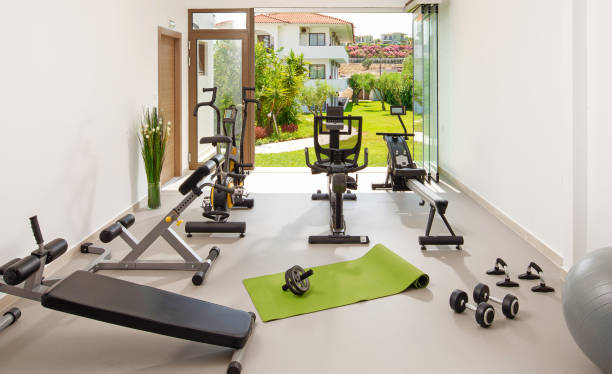
Space constraints are a reality for many UK households. Whether you are using a spare bedroom, garage, or garden outbuilding, layout matters. Compact equipment designed for home use allows you to train effectively without overcrowding the area.
Foldable benches, modular racks, and vertical weight storage systems help maintain a clean and organised space. This not only improves safety but also makes training more enjoyable. A cluttered gym often becomes a psychological barrier, while a tidy layout encourages consistency.
Flooring also plays a critical role. Rubber gym mats or tiles protect floors, reduce noise, and improve stability during lifts. This is particularly important in shared living spaces or terraced homes where sound and vibration can be a concern.
Balancing Strength, Conditioning, and Mobility
A well-rounded home gym should support more than just heavy lifting. Strength training is essential, but conditioning and mobility work contribute to long-term health and injury prevention. Adding functional equipment such as kettlebells, cable machines, or bodyweight accessories allows users to train multiple movement patterns.
These tools are especially useful for core conditioning, unilateral training, and cardiovascular work. For many home gym users, this balance makes training more sustainable and enjoyable over time.
Home Equipment vs Commercial Grade: What’s Worth It?
Many buyers wonder whether commercial-grade equipment is necessary for home use. While lighter equipment may suit casual training, heavier, commercial-grade builds offer greater stability and durability. Materials such as cast iron, rubber-coated steel, and urethane are designed to withstand repeated use without degradation.
For households where multiple people train or where higher weights are used, investing in robust equipment often reduces long-term costs. Stability, safety, and reduced maintenance become clear advantages over time.
Planning for Progress and Future Expansion
One of the most effective strategies when building a home gym is to think beyond the initial setup. Fitness levels change, strength increases, and goals evolve. Starting with core equipment allows for gradual expansion as needs develop.
Many experienced lifters recommend beginning with free weights, a bench, and a rack, then adding accessories such as bumper plates, functional trainers, or cardio machines later. This phased approach prevents wasted spending and ensures every purchase supports a clear training purpose.
Creating a Routine You Can Maintain
The true value of a home gym lies in consistency. When equipment is easy to access and fits naturally into daily life, training becomes a habit rather than a chore. Removing barriers such as travel time, peak gym hours, and overcrowded spaces makes regular exercise far more achievable.
A thoughtfully designed home gym supports this consistency by making workouts efficient, comfortable, and adaptable. Over time, this leads to better results, improved health, and a stronger connection to training.
Final Thoughts
A home gym should reflect how you live, not how a commercial gym looks. By focusing on versatility, space efficiency, and long-term progression, UK fitness enthusiasts can create training environments that deliver lasting value. With the right planning and equipment choices, a home gym becomes more than a convenience—it becomes a sustainable investment in health and performance.
With thoughtful planning, quality equipment, and realistic goals, your home gym can support lifelong training habits, improving strength, confidence, and wellbeing without unnecessary complexity costs. Over time, this consistency is what drives real physical results and long-term lifestyle change.