
The compressor is often called the heart of an air conditioning system. Without a properly functioning compressor, an AC unit cannot circulate refrigerant, remove heat, or cool indoor spaces effectively. Regular AC compressor inspection is essential to ensure reliable performance, energy efficiency, and long system lifespan. Understanding how to check whether an AC compressor is working properly can help homeowners, technicians, and facility managers identify issues early and prevent costly breakdowns.
Why AC Compressor Inspection Is Important
The compressor is one of the most expensive and critical components in an air conditioning system. When it fails, repairs can be complex and costly, sometimes requiring full system replacement. Routine inspection helps detect early warning signs such as electrical problems, refrigerant issues, or mechanical wear.
A well-maintained compressor operates more efficiently, reducing energy consumption and maintaining consistent cooling performance. Regular checks also improve system reliability, especially during peak usage periods in hot weather.
Basic Function of an AC Compressor
An AC compressor works by compressing low-pressure refrigerant vapor into a high-pressure, high-temperature gas. This process allows heat to be released outdoors through the condenser coil. The refrigerant then cools, condenses, and circulates back through the system to absorb indoor heat again.
If the compressor is not working correctly, the entire cooling cycle is disrupted. Common symptoms include warm air from vents, frequent system cycling, unusual noises, or complete system failure.
Visual Inspection of the Compressor
The first step in AC compressor inspection is a visual check. Begin by turning off power to the system for safety. Inspect the outdoor condenser unit where the compressor is located.
Look for signs of physical damage, corrosion, oil stains, or refrigerant leaks around the compressor housing and refrigerant lines. Oil residue often indicates a refrigerant leak, which can reduce cooling performance and damage the compressor over time.
Check that the area around the outdoor unit is clean and free of debris. Restricted airflow can cause overheating and place additional stress on the compressor.
Listening for Unusual Sounds
Sound is a key indicator of compressor health. When the AC system is running, the compressor should produce a steady, low humming sound. Loud noises such as grinding, rattling, clicking, or buzzing may signal internal mechanical problems or electrical issues.
A clicking sound during startup may indicate a faulty relay or capacitor, while loud buzzing can suggest electrical faults or a failing motor. Any abnormal noise should be investigated promptly to avoid further damage.
Checking Electrical Components
Electrical issues are a common cause of compressor failure. Inspect wiring connections for signs of burning, loose terminals, or damaged insulation. Capacitors and contactors should also be checked, as failed capacitors can prevent the compressor from starting.
If the AC unit turns on but the compressor does not run, electrical testing with proper tools may be required. Voltage and current readings can help determine whether the compressor is receiving power and operating within normal parameters.
For safety reasons, electrical testing should be performed by trained technicians, especially in commercial or industrial systems.
Evaluating System Performance
One practical way to assess compressor function is by observing cooling performance. If the AC system runs continuously but fails to cool the space effectively, the compressor may not be compressing refrigerant properly.
Measure the temperature difference between return air and supply air. A significant drop in temperature usually indicates normal operation. Weak or inconsistent cooling may point to compressor inefficiency, refrigerant issues, or airflow problems.
Short cycling, where the system turns on and off frequently, can also indicate compressor-related problems or incorrect pressure levels.
Refrigerant Pressure and Temperature Checks
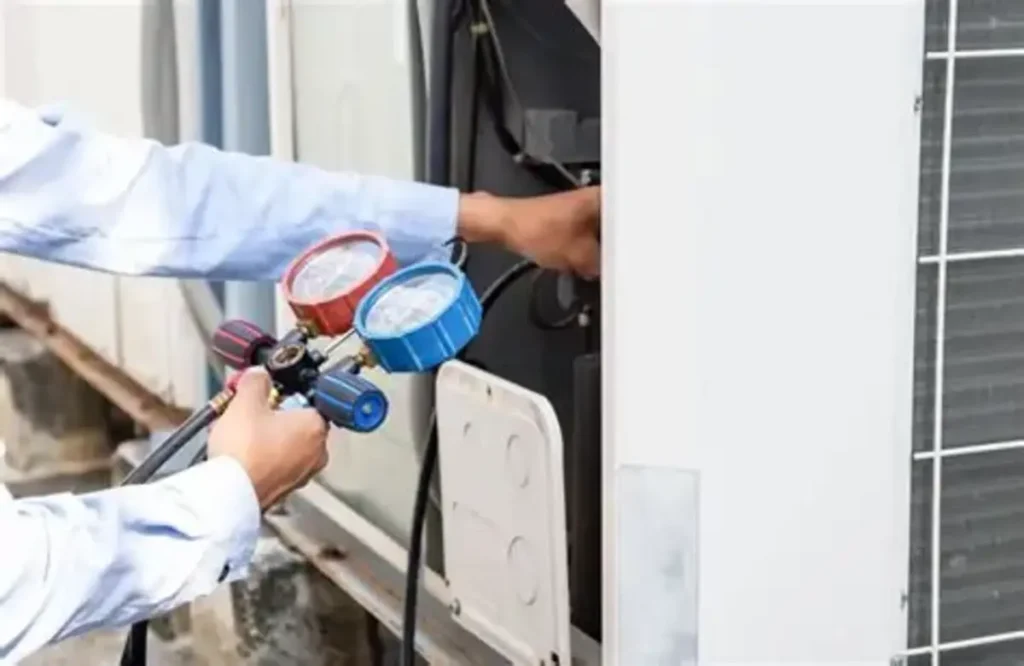
Professional compressor inspection often includes measuring refrigerant pressure and temperature. Abnormal pressure readings can indicate undercharging, overcharging, or internal compressor wear.
Low suction pressure may suggest insufficient refrigerant or a failing compressor. High discharge pressure can indicate airflow restrictions or condenser issues, which can overload the compressor.
These measurements require specialized gauges and training, making them a task for qualified HVAC technicians.
Signs of a Failing Compressor
Several warning signs indicate that a compressor may be failing. These include frequent tripping of circuit breakers, overheating, reduced cooling capacity, and rising energy bills. In some cases, the compressor may fail to start at all, even though the fan operates normally.
Burnt smells or visible smoke are serious indicators of electrical failure and require immediate system shutdown.
When to Call a Professional
While basic visual and performance checks can be done by homeowners or maintenance staff, professional inspection is essential for accurate diagnosis. HVAC technicians can perform detailed electrical tests, refrigerant analysis, and internal compressor evaluations.
Early professional intervention can sometimes restore compressor function through minor repairs, preventing full replacement and extending system life.
Preventive Maintenance Tips
Regular maintenance plays a key role in compressor health. Keep condenser coils clean, ensure proper airflow, replace air filters regularly, and schedule annual HVAC inspections. Proper maintenance reduces strain on the compressor and helps maintain stable operating conditions.
Conclusion
AC compressor inspection is a critical part of maintaining a reliable and efficient air conditioning system. By understanding how to check if a compressor is working properly, early signs of trouble can be identified before they lead to major failures.
Routine visual checks, performance evaluation, and professional inspections help protect one of the most valuable components in an AC system. With proper care and timely inspection, an AC compressor can deliver consistent cooling performance and long-term operational reliability.
Article about ” AC Compressor Inspection: How to Check If It’s Working Properly ” publish by: harga ac 1/2 pk – acjakarta.com