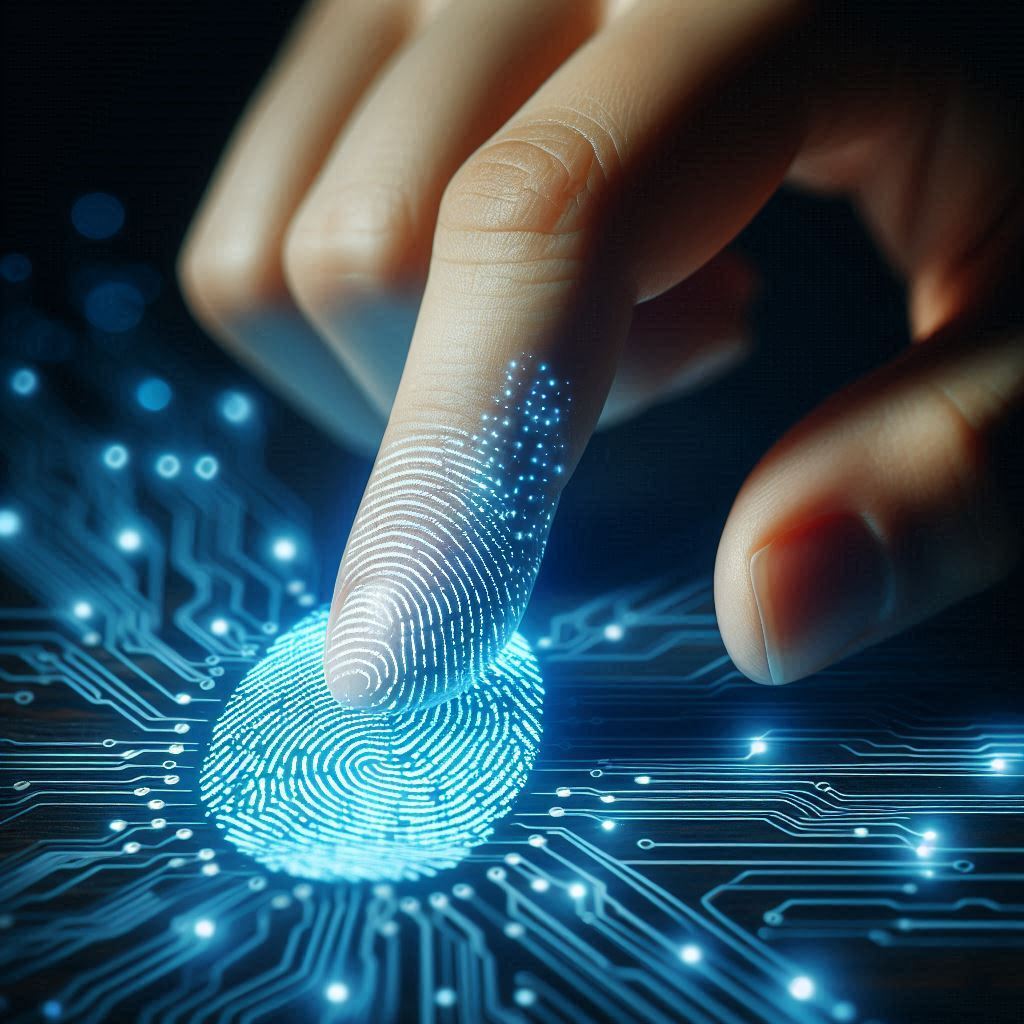

Identity verification has always been essential for maintaining public safety, preventing fraud, and protecting national security. Over the decades, the methods used to verify identities in Canada have evolved significantly. What once relied on messy ink pads and manual fingerprint cards has now transitioned into advanced biometric systems. Today, Digital fingerprinting stands at the center of modern identity verification processes across the country.
From immigration screening to employment background checks and law enforcement investigations, biometric technology has transformed how fingerprints are captured, processed, and analyzed. The introduction of Digital fingerprint has not only improved accuracy but has also dramatically reduced the time required for identity verification.
This article explores the evolution of fingerprint identification in Canada, the technological shift from traditional methods to modern biometric systems, and why Digital fingerprinting has become the gold standard for identity verification.
The Early History of Fingerprinting in Canada
Fingerprint identification has been used in criminal investigations for more than a century. Canada officially adopted fingerprint identification in the early 1900s as law enforcement agencies began recognizing the uniqueness of fingerprint patterns.
In 1910, the Royal Canadian Mounted Police (RCMP) established a national fingerprint repository to store criminal records. Law enforcement officers would collect fingerprints using ink pads and record them on paper cards. These cards were then mailed to centralized offices where specialists manually compared fingerprint patterns to identify potential matches.
While the system was groundbreaking for its time, it had several limitations. The process was slow, labor-intensive, and vulnerable to human error. It could take weeks—or even months—for fingerprint comparisons to be completed.
Despite these challenges, fingerprint identification remained one of the most reliable methods of confirming identity.
The Limitations of Traditional Ink Fingerprinting
Traditional fingerprinting methods required applicants or suspects to press their fingers into ink and roll them onto paper cards. These cards were then physically mailed to processing centers.
Several problems often arose with this method:
- Smudged prints caused by excessive ink
- Incomplete impressions that were difficult to analyze
- Damage during mailing or storage
- Long processing times due to manual comparison
These issues frequently resulted in rejected fingerprint cards, requiring individuals to repeat the process.
As Canada’s population grew and immigration increased, authorities realized that the traditional system could no longer keep up with the demand for quick and reliable identity verification.
This need for efficiency paved the way for the introduction of Digital fingerprint technologies.
The Rise of Digital Fingerprinting Technology
The late 20th and early 21st centuries saw major technological breakthroughs in biometric identification. Computerized fingerprint scanning systems began replacing manual ink methods in many parts of the world.
Canada gradually introduced Digital fingerprinting systems to modernize identity verification processes. These systems use electronic scanners to capture high-resolution images of fingerprints without the need for ink.
Instead of sending physical cards through the mail, the fingerprint data is converted into digital files and transmitted securely to databases for analysis.
Today, it is widely used across Canada for a variety of purposes, including:
- Criminal background checks
- Immigration and citizenship applications
- Employment screening
- Security clearances
- Volunteer and licensing requirements
The shift to digital systems has significantly improved both the speed and reliability of fingerprint identification.
How Digital Fingerprinting Works
The process of Digital fingerprinting involves capturing biometric data using specialized scanners known as live-scan devices. These scanners record the ridges and patterns of a person’s fingerprints in high resolution.
Here is how the process typically works:
- Fingerprint Capture
Applicants place their fingers on an electronic scanner that records the fingerprint patterns. - Image Quality Verification
The system checks the clarity of the fingerprint images instantly. If the quality is insufficient, the technician can retake the scan immediately. - Secure Digital Transmission
The fingerprint data is encrypted and sent electronically to the RCMP’s National Repository of Criminal Records. - Automated Database Comparison
Advanced software compares the submitted fingerprints against millions of records stored in national databases.
Because of automation and digital transmission, Digital fingerprint dramatically reduces the time required for background checks.
The Role of Digital Fingerprinting in Immigration
Canada welcomes hundreds of thousands of immigrants each year, making identity verification a crucial part of the immigration process.
Authorities rely heavily on Digital fingerprinting to confirm identities and conduct criminal background checks for immigration applicants. Biometric screening helps ensure that applicants meet security requirements before entering or becoming citizens of Canada.
Fingerprint verification is commonly required for:
- Permanent residency applications
- Citizenship applications
- Work permits and study permits
- Refugee claims
- Security clearances
Digital systems allow immigration authorities to quickly cross-reference fingerprints with criminal databases, ensuring accurate identification while maintaining efficient processing times.
Benefits of Digital Fingerprint
The transition from ink-based methods to Digital fingerprint has brought numerous advantages for both government agencies and individuals.
Faster Processing
Digital fingerprint submissions are transmitted instantly to government databases. This eliminates delays associated with mailing physical fingerprint cards.
In many cases, background check results can be returned within days instead of weeks.
Improved Accuracy
Electronic scanners capture high-quality fingerprint images and automatically detect errors. If a fingerprint scan is unclear, the system prompts the technician to recapture the image immediately.
This significantly reduces rejection rates.
Enhanced Security
Fingerprint data is encrypted and transmitted through secure channels. This prevents unauthorized access or tampering during the verification process.
Because Digital fingerprinting relies on biometric data, it also makes identity fraud far more difficult.
Environmental Benefits
The digital system reduces the need for paper fingerprint cards and physical document storage. This contributes to more environmentally sustainable administrative processes.
Digital Fingerprinting in Employment and Licensing
Beyond immigration and law enforcement, Digital fingerprinting has become an essential part of employment screening in Canada.
Many industries require criminal background checks before hiring employees. This is especially common in sectors involving vulnerable populations or sensitive information.
Examples include:
- Healthcare professionals
- Teachers and childcare workers
- Financial industry employees
- Government staff
- Security personnel
Digital fingerprint verification helps employers ensure that candidates meet safety and regulatory requirements.
The Future of Biometric Identification
Biometric technology continues to evolve rapidly, and fingerprint identification remains one of the most trusted forms of identity verification worldwide.
Canada is expected to continue expanding the use of Digital fingerprint in government services, border security, and law enforcement.
Emerging technologies may further enhance biometric systems by integrating fingerprint data with facial recognition and artificial intelligence. These tools can improve identification accuracy while reducing processing times even further.
As identity verification becomes increasingly digital, biometric systems will play an even larger role in protecting both individuals and national security.
Conclusion
The journey from ink-based fingerprint cards to modern biometric systems reflects a major technological advancement in identity verification. Traditional methods served their purpose for decades, but they were limited by slow processing and frequent errors.
Today, Digital fingerprint has transformed how fingerprints are captured, analyzed, and stored. With faster processing times, improved accuracy, and enhanced security, digital systems have become the backbone of identity verification in Canada.