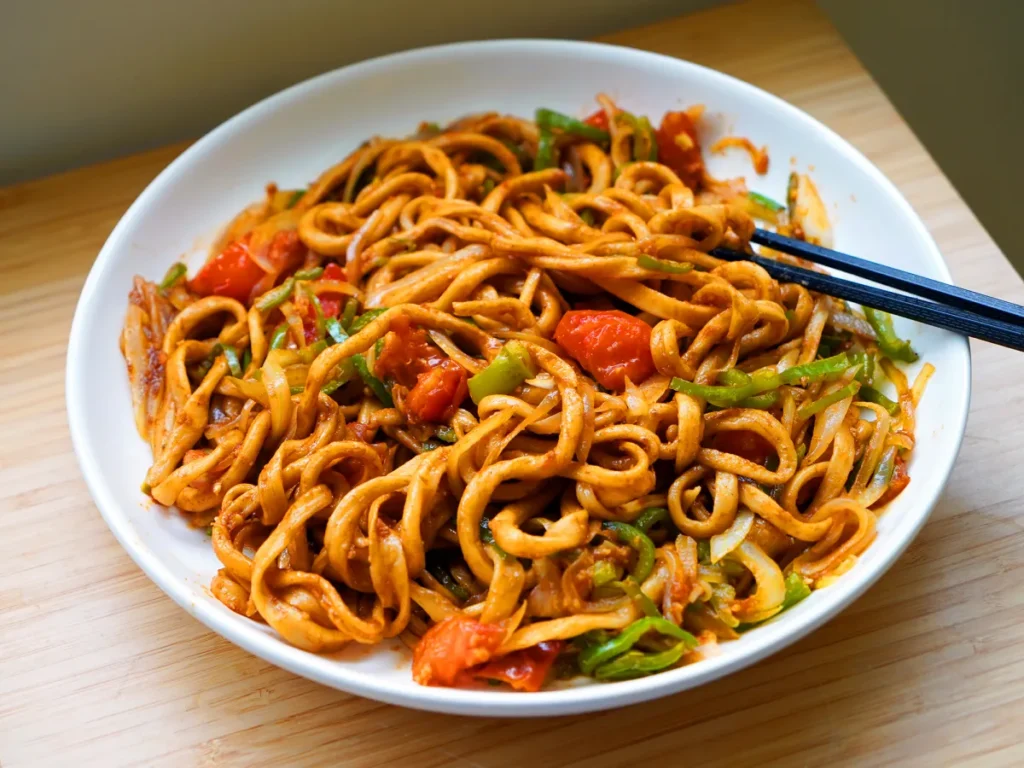

When you sit down with a steaming bowl of noodles, you’re not just enjoying a meal — you’re tasting centuries of culture, migration, trade, and tradition. From hand-pulled strands stretched across wooden tables to silky rice noodles soaking up fragrant broths, Asian noodles carry stories that travel across borders and generations.
At STIX ASIA, we believe that every bite should tell a story. So let’s take a flavorful journey into the history and heritage behind your favorite Asian noodles.
The Ancient Origins of Noodles
The story of noodles begins thousands of years ago. Archaeologists discovered a 4,000-year-old bowl of millet noodles in northwestern China, proving that noodle-making dates back to ancient civilizations. Over time, these simple strands of dough evolved into regional specialties influenced by climate, agriculture, and cultural exchange.
In ancient China, noodles were more than food — they symbolized longevity and prosperity. Long noodles were served during birthdays and celebrations because their length represented a long life. This tradition continues today in many Asian cultures.
As trade routes expanded, especially along the Silk Road, noodle-making techniques spread across Asia. Each region adapted recipes based on local ingredients, giving rise to the diverse noodle dishes we enjoy today.
Ramen: Japan’s Comfort in a Bowl
Few noodle dishes have achieved global fame like Ramen. Although inspired by Chinese wheat noodles, ramen evolved into a distinctly Japanese dish in the early 20th century.
Ramen consists of wheat noodles served in rich broth — typically soy sauce, miso, salt, or pork-based tonkotsu — topped with sliced pork, soft-boiled eggs, seaweed, and green onions. Each Japanese region has its own ramen identity:
- Sapporo is famous for miso ramen.
- Fukuoka is known for creamy tonkotsu broth.
- Tokyo offers a soy-based shoyu style.
Ramen gained worldwide popularity after World War II, especially with the invention of instant noodles. Today, it represents comfort, innovation, and culinary creativity.
At STIX ASIA, ramen isn’t just a dish — it’s an experience layered with depth, warmth, and tradition.
Pho: Vietnam’s Fragrant Legacy
Another beloved noodle dish is Pho, Vietnam’s iconic street food. Pho is built around delicate rice noodles swimming in aromatic broth infused with spices like star anise, cinnamon, and cloves.
The origins of pho trace back to the early 20th century in northern Vietnam. French colonial influence played a role in its development, particularly in the use of beef bones for broth. Over time, pho evolved into two main styles:
- Pho Bac (Northern) – lighter, simpler flavors
- Pho Nam (Southern) – sweeter broth with more herbs and garnishes
Pho is more than nourishment in Vietnam — it’s part of daily life. From early-morning vendors to family gatherings, it reflects balance, freshness, and harmony.
Restaurants like STIX ASIA celebrate this balance by honoring traditional techniques while ensuring every bowl feels modern and comforting.
Pad Thai: Thailand’s National Treasure
When people think of Thai noodles, Pad Thai often comes to mind. This stir-fried rice noodle dish combines sweet, sour, salty, and spicy flavors in perfect harmony.
Pad Thai was popularized in the 1930s as part of a national campaign to promote Thai identity and reduce rice consumption. It quickly became a street food staple, made with rice noodles, tamarind paste, fish sauce, shrimp or chicken, eggs, tofu, and crushed peanuts.
Its appeal lies in its balance — a concept central to Thai cuisine. Every ingredient contributes to a layered taste experience that excites the palate without overwhelming it.
At STIX ASIA, dishes inspired by Thai flavors reflect this philosophy of harmony and vibrant contrast.
Chow Mein: A Global Favorite
Chow Mein literally means “stir-fried noodles.” Originating in China, this dish traveled worldwide through Chinese immigrants who adapted recipes to local tastes.
In traditional Chinese cuisine, chow mein uses wheat noodles stir-fried with vegetables, soy sauce, and protein. However, its preparation varies by region:
- In some countries, it’s soft and saucy.
- In others, it’s crispy and pan-fried.
Chow mein’s adaptability helped it become a global favorite. It’s a reminder of how food evolves through migration while still preserving its roots.
Udon and Soba: Japan’s Traditional Staples
Japan offers more than ramen. Two other beloved noodle varieties are:
- Udon
- Soba
Udon noodles are thick, chewy, and often served in mild broths or stir-fried dishes. They are comforting and simple, highlighting the beauty of minimal seasoning.
Soba noodles, made from buckwheat, have a nutty flavor and are enjoyed both hot and cold. In Japan, eating soba on New Year’s Eve symbolizes letting go of the past year’s hardships.
Both styles showcase Japan’s dedication to craftsmanship and seasonal ingredients — values deeply respected by culinary brands like STIX ASIA.
Rice Noodles Across Southeast Asia
Rice noodles dominate Southeast Asian cuisine due to the region’s rice-based agriculture. They appear in countless forms:
- Flat rice noodles in stir-fries
- Thin vermicelli in soups
- Rolled rice sheets in dim sum
Rice noodles are naturally gluten-free and light, making them ideal for absorbing rich broths and sauces. They are central to dishes from Vietnam, Thailand, Malaysia, and beyond.
Their versatility demonstrates how a simple ingredient can transform depending on spices, herbs, and cooking techniques.
The Art of Hand-Pulled Noodles
One of the most fascinating noodle traditions is Chinese hand-pulled noodles, known as Lamian. Skilled chefs stretch and fold dough repeatedly until it forms dozens of perfectly even strands.
This technique requires precision, strength, and years of practice. Watching a noodle master perform is like witnessing culinary theater.
Hand-pulled noodles symbolize dedication and artistry — qualities that elevate a simple dish into something extraordinary.
Noodles as Cultural Identity
Across Asia, noodles represent more than flavor:
- In China, they symbolize long life.
- In Japan, they reflect seasonality and craftsmanship.
- In Vietnam, they represent community and balance.
- In Thailand, they embody harmony of taste.
Noodles are served at festivals, weddings, family dinners, and street markets. They bring people together around shared tables and shared stories.
At STIX ASIA, this cultural richness is at the heart of every menu creation. The goal isn’t just to serve food — it’s to honor heritage while embracing modern dining experiences.
How Noodles Conquered the World
Asian noodles gained global popularity through migration, trade, and innovation. Instant noodles revolutionized convenience food, while Asian restaurants introduced authentic flavors to new audiences.
Today, noodle dishes are reimagined with fusion twists, plant-based ingredients, and gourmet presentations. Yet their core essence remains unchanged: simple ingredients transformed through technique and tradition.
Social media and food tourism have further amplified noodle culture. Travelers seek authentic ramen shops in Tokyo, pho stalls in Hanoi, and night markets in Bangkok — all in search of that unforgettable bowl.
Brands like STIX ASIA represent this global appreciation, blending authenticity with contemporary flair.
Why We Love Noodles So Much
There’s a reason noodles are universally loved:
- Comfort – Warm broths and soft textures soothe the soul.
- Customization – Endless toppings and sauces make every bowl unique.
- Affordability – Historically accessible to all social classes.
- Cultural Meaning – Deep-rooted traditions behind every strand.
Noodles are adaptable, forgiving, and endlessly creative. Whether stir-fried, boiled, or served cold, they fit every season and mood.
The Story Continues at STIX ASIA
The next time you pick up your chopsticks, remember that you’re holding more than food — you’re holding history.
At STIX ASIA, each noodle dish reflects centuries of evolution, craftsmanship, and cross-cultural exchange. From rich broths to vibrant stir-fries, every bowl celebrates authenticity while embracing modern tastes.
Asian noodles are not just meals. They are stories shaped by farmers, traders, chefs, families, and communities. They connect ancient traditions to today’s fast-paced world.
So whether you crave the depth of ramen, the fragrance of pho, or the bold balance of Pad Thai, know that behind every strand lies a journey — one that continues to inspire kitchens and cultures around the globe.
And at STIX ASIA, that journey is served fresh, flavorful, and full of meaning — one bowl at a time.
