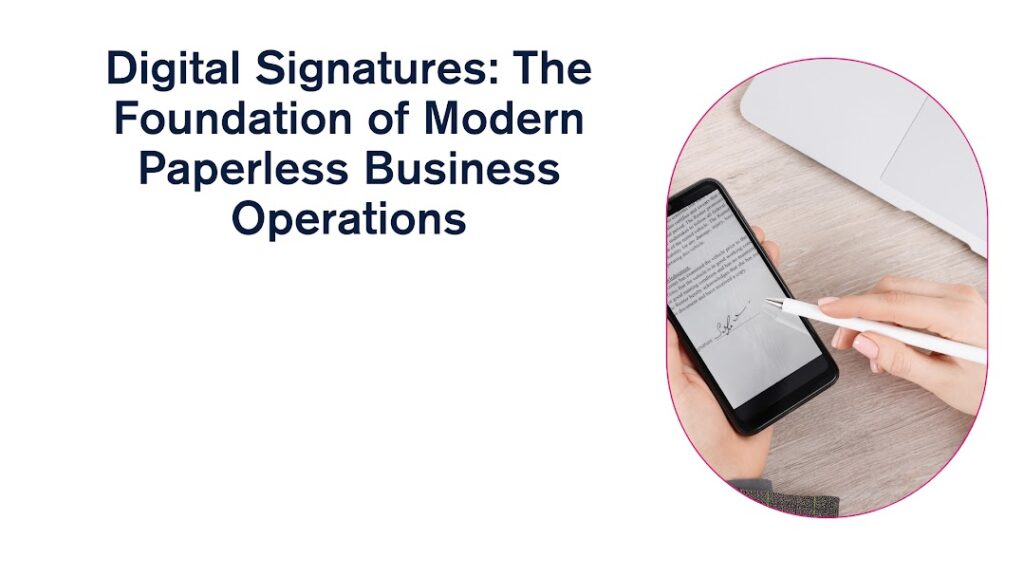

In today’s technology-driven economy, organizations are rapidly shifting from traditional paper-based systems to fully digital workflows. Businesses, government departments, and professionals are embracing paperless operations to improve speed, accuracy, and efficiency while reducing operational costs and environmental impact. At the center of this digital transformation lies one powerful tool—digital signatures.
Digital signature are not just a convenience; they are the backbone of secure, compliant, and streamlined paperless business processes. From signing contracts and agreements to filing regulatory documents and approving internal workflows, digital signatures enable organizations to function seamlessly in a connected world.
This article explores how digital signatures support paperless business systems, their legal standing, practical benefits, challenges, and the step-by-step process of obtaining one online.
The Rise of Paperless Workflows
Over the last decade, digital transformation has reshaped the way businesses operate. Traditional methods involving physical paperwork, courier services, manual approvals, and physical storage are being replaced by digital systems that offer speed and transparency.
Paperless workflows provide several advantages:
- Faster document processing
- Reduced printing and storage costs
- Improved data accessibility
- Better record tracking
- Lower environmental impact
However, eliminating paper requires a secure and legally valid method to sign and authenticate documents electronically. This is where digital signatures become essential.
What is a Digital Signature?
A digital signature is a secure electronic authentication method that verifies the identity of the signer and ensures that the document has not been altered after signing. Unlike scanned images of handwritten signatures, digital signatures rely on encryption technology and digital certificates.
In India, digital signatures are regulated under the provisions of the Information Technology Act, 2000, which grants them legal validity equivalent to handwritten signatures in many official and commercial transactions.
Digital signatures typically involve:
- A private key used by the signer
- A public key for verification
- A digital certificate issued by a Certifying Authority
This cryptographic framework ensures authenticity, integrity, and non-repudiation.
Types of Digital Signatures
Digital signatures are available in different forms depending on the level of security and legal compliance required:
1. Simple Electronic Signature
Basic electronic confirmation methods such as clicking “I Agree.” These are suitable for low-risk transactions.
2. Advanced Digital Signature
Provides higher security through unique identification and encryption mechanisms.
3. Class 3 Digital Signature
In India, Class 3 Digital Signatures are commonly used for e-tendering, online bidding, MCA filings, and other high-security transactions. These require identity verification and are considered highly secure.
How Digital Signatures Power Paperless Workflows
Digital signatures are essential in making paperless systems functional and secure. Here’s how they contribute:
1. Faster Document Approvals
Traditional document signing often involves printing, signing, scanning, and emailing documents. This process consumes time and increases administrative effort.
With digital signatures:
- Documents can be signed instantly
- Approvals can be completed remotely
- Multiple parties can sign within minutes
This dramatically accelerates business operations.
2. Strong Security and Fraud Prevention
Security is a major concern in digital environments. Digital signatures use advanced encryption techniques to ensure:
- The signer’s identity is authenticated
- The document remains unaltered after signing
- Any tampering invalidates the signature
This reduces the risk of forgery, manipulation, and fraud.
3. Seamless Integration with Digital Platforms
Digital signatures integrate smoothly with:
- Document Management Systems (DMS)
- Enterprise Resource Planning (ERP) software
- Government portals
- Tax filing platforms
- E-tendering systems
For example, businesses filing returns with the Income Tax Department or submitting forms to the Ministry of Corporate Affairs often require digital signatures for authentication.
This integration ensures compliance and simplifies regulatory processes.
4. Remote and Cross-Border Collaboration
In a globalized world, stakeholders are often located in different cities or countries. Digital signatures allow:
- Cross-border contract execution
- Remote employee approvals
- Vendor and partner agreements without physical meetings
This supports hybrid and remote work models efficiently.
5. Legal Compliance and Audit Trails
Digital signatures create a secure audit trail that records:
- Time of signing
- Identity of signer
- IP address
- Transaction history
This audit trail is crucial for regulatory compliance in sectors such as finance, healthcare, and legal services.
Key Advantages of Digital Signatures in Paperless Systems
Organizations adopting digital signatures experience numerous operational benefits.
1. Significant Cost Reduction
Paper-based workflows involve expenses such as:
- Printing
- Ink and stationery
- Courier services
- Physical storage space
- Administrative handling
Digital signatures eliminate most of these costs, improving overall profitability.
2. Improved Time Efficiency
Documents can be signed in seconds rather than days. This reduces delays in:
- Contract approvals
- Vendor onboarding
- Employee documentation
- Government filings
Faster turnaround time directly improves business productivity.
3. Better Customer Experience
Customers prefer convenient, fast services. Allowing them to sign agreements digitally:
- Enhances satisfaction
- Reduces friction
- Builds trust
This is particularly beneficial in industries like banking, fintech, real estate, and insurance.
4. Enhanced Accessibility
Digital signatures allow document access and approvals from:
- Laptops
- Mobile devices
- Tablets
Employees and executives can sign documents from anywhere, ensuring continuity in operations.
5. Environmental Sustainability
Reducing paper usage significantly lowers environmental impact. Organizations adopting digital signatures contribute to:
- Reduced deforestation
- Lower carbon footprint
- Sustainable business practices
This supports corporate social responsibility goals.
Challenges in Implementing Digital Signatures
Despite their benefits, organizations may face certain obstacles.
1. Resistance to Technological Change
Employees accustomed to traditional systems may hesitate to adopt digital methods. Training and awareness programs can ease this transition.
2. Integration Complexities
Integrating digital signature systems with existing infrastructure can require technical expertise. However, most providers now offer APIs and integration support.
3. Cybersecurity Concerns
While digital signatures are secure, businesses must ensure:
- Use of trusted Certifying Authorities
- Regular software updates
- Strong password management
- Secure storage of private keys
Proper cybersecurity practices are essential.
Step-by-Step Process to Apply for a Digital Signature Online
Obtaining a digital signature certificate is a straightforward online process.
Step 1: Visit the Service Provider’s Website
Go to the official website of the digital signature provider.
Step 2: Fill Out the Application Form
Provide the required details:
- Applicant type (Individual or Organization)
- Certificate type (Signing or Signing & Encryption)
- Validity period (1, 2, or 3 years)
- Name, phone number, email, and address
Agree to the terms and submit the form.
Step 3: Select USB Token Option
Choose whether:
- You already have a USB token
- You need a new USB token
The digital signature is securely stored on this device.
Step 4: Make Payment
Complete payment using available options such as:
- Net banking
- Debit or credit card
- UPI
Step 5: Verification Process
Your identity will be verified through document submission or video verification, depending on the provider’s requirements.
Step 6: Receive Your Digital Signature
After approval, your digital signature certificate will be issued and stored on your USB token. You can then use it for:
- E-tendering
- Income tax filing
- MCA filings
- GST submissions
- Contract signing
The Future of Digital Signatures
As digital ecosystems expand, digital signatures will become even more integral to business operations. Future advancements may include:
- Cloud-based digital signatures
- Blockchain-based authentication
- AI-driven fraud detection
- Biometric-integrated signature systems
Governments and private sectors worldwide are strengthening digital governance frameworks, making digital signatures indispensable in modern commerce.
Also read:- Class 3 Digital Signature
Conclusion
Digital signatures are the cornerstone of paperless business workflows. They provide a secure, efficient, and legally recognized method for signing and managing documents electronically. By eliminating manual paperwork, enhancing security, reducing costs, and ensuring compliance, digital signatures empower organizations to operate with greater speed and confidence.
As businesses continue to embrace digital transformation, adopting digital signatures is no longer optional—it is a strategic necessity. Organizations that implement secure digital signature solutions can unlock the full potential of paperless workflows, achieving higher productivity, stronger compliance, and sustainable growth in the digital age.