
In today’s fast-paced digital world, investing has evolved from lengthy paperwork and physical certificates to seamless online transactions. Investors can now buy, sell, and manage their portfolios with just a few taps on a smartphone. At the center of this digital transformation lies one indispensable tool — the Demat account.
Whether you’re a first-time investor or someone looking to diversify your holdings, understanding how a Demat account works — and why it’s essential — can help you navigate the modern investing landscape with confidence.
In this article, we’ll break down everything you need to know about Demat accounts: their purpose, benefits, and their role in shaping the future of investing.
What Is a Demat Account?
The term Demat stands for Dematerialized. A Demat account is essentially an electronic vault that holds your shares, bonds, mutual funds, and other securities in digital form. Instead of receiving paper share certificates (as was the case before the late 1990s), investors today receive digital records of ownership in their Demat account.
Just like a savings account stores your money, a Demat account stores your investments. It makes buying, selling, and tracking securities effortless, removing the risks and hassles associated with physical paperwork.
Here’s a simple example:
When you purchase shares through a stockbroker, those shares are credited to your Demat account. When you sell them, they’re automatically debited. This seamless system ensures that your investments are secure, organized, and easy to manage.
The Need for a Demat Account in Modern Investing
Before the digital era, investors had to deal with physical share certificates that were vulnerable to damage, theft, or misplacement. Transferring ownership involved tedious paperwork and long processing times. The introduction of the Demat system eliminated these inefficiencies, ushering in an age of transparency and convenience.
Here’s why a Demat account has become a cornerstone of modern investing:
- Speed and Efficiency:
Transactions that once took days or weeks now happen within seconds. Buying or selling securities is instant, thanks to electronic processing. - Safety and Reliability:
Physical certificates could be lost, forged, or damaged. With Demat accounts, your holdings are safely stored in a secure, regulated digital environment. - Accessibility and Convenience:
You can view your portfolio, make transactions, or transfer holdings anytime, anywhere, through your mobile device or computer. - Integration with Modern Platforms:
Most online trading and investment apps are directly linked to Demat accounts, offering users a unified investing experience.
In short, without a Demat account, participating in today’s digital financial markets would be nearly impossible.
How a Demat Account Works
The functioning of a Demat account is simple yet crucial to understand. Here’s a breakdown of the process:
- Depository System:
In India, there are two main depositories — the National Securities Depository Limited (NSDL) and the Central Depository Services Limited (CDSL). These institutions hold all the electronic records of your securities. - Depository Participants (DPs):
You cannot open an account directly with the depositories. Instead, you open a Demat account through an intermediary called a Depository Participant (DP), such as a bank, broker, or financial institution. - Linking Trading and Bank Accounts:
Your Demat account is linked with your trading account and bank account. When you buy shares, money is debited from your bank, shares are credited to your Demat account, and vice versa when you sell.
This seamless integration ensures that every transaction — from buying to settlement — happens smoothly and transparently.
Benefits of Having a Demat Account
A Demat account offers far more than just digital storage. It brings a range of benefits that make investing easier, safer, and more efficient.
1. Hassle-Free Transactions
The elimination of paperwork means you can complete transactions in seconds without manual signatures or courier delays. Everything happens digitally and securely.
2. Portfolio Consolidation
Your entire investment portfolio — stocks, mutual funds, government bonds, exchange-traded funds (ETFs), and more — can be held in a single account. This makes monitoring and managing your wealth effortless.
3. Reduced Costs
By going paperless, you save on stamp duty, printing, and handling charges that were once mandatory with physical certificates.
4. Transparency
Digital records eliminate the chances of manipulation or fraud, ensuring clear ownership and accountability at all times.
5. Easy Accessibility
You can access your holdings through mobile apps, track real-time prices, and make informed investment decisions on the go.
6. Quick Settlement
The settlement process in stock trading is faster with a Demat account, often completed within T+1 (Trade Day + 1) or T+2 days, allowing faster access to funds or securities.
How to Open a Demat Account
Opening a Demat account today is quick, simple, and completely online. Most brokers and financial platforms allow investors to free demat account with minimal documentation and zero physical paperwork.
Here’s how the process typically works:
- Choose a Depository Participant (DP):
Select a reliable broker or bank that offers Demat services. - Complete the Online Form:
Fill in your details such as name, PAN, Aadhaar, and bank account information. - KYC Verification:
Upload identity and address proofs for Know Your Customer (KYC) compliance. Most platforms allow instant Aadhaar-based verification. - E-sign and Activate:
Once verified, you can digitally sign the agreement, and your Demat account will be activated instantly. - Link Your Trading Account:
To start investing, link your Demat account with a trading platform. This ensures seamless buying and selling of securities.
And that’s it — you’re ready to begin your investing journey.
Types of Demat Accounts
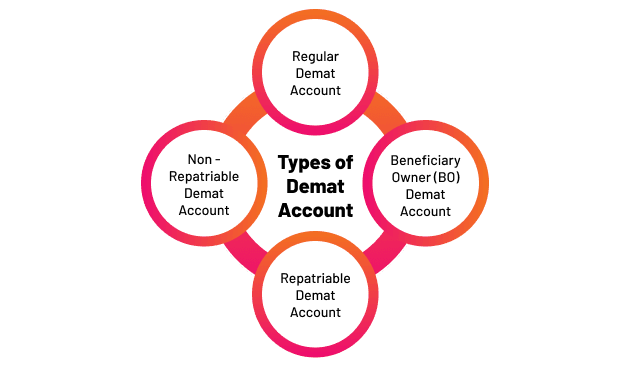
Not all Demat accounts are the same. Depending on your investment goals and residency status, you can choose from three main types:
- Regular Demat Account:
Designed for resident Indian investors who want to trade in equity shares and other domestic securities. - Repatriable Demat Account:
Suitable for Non-Resident Indians (NRIs) who wish to transfer funds abroad. This account requires linking with an NRE (Non-Resident External) bank account. - Non-Repatriable Demat Account:
Also for NRIs, but the funds from this account cannot be repatriated overseas. It must be linked to an NRO (Non-Resident Ordinary) account.
Choosing the right type ensures that your investments comply with relevant financial and tax regulations.
Choosing the Best Demat Account Provider
With numerous brokers and financial institutions offering Demat services, finding the right one can feel overwhelming. The key is to focus on the overall experience — ease of use, security, cost-effectiveness, and support.
Here’s what to look for when choosing the best demat account:
- User-Friendly Interface: Intuitive design and smooth navigation for easy management.
- Low Charges: Transparent pricing on account opening, maintenance, and transaction fees.
- Strong Security Features: Encryption, two-factor authentication, and robust data protection.
- Integration with Trading Platforms: Seamless connectivity for real-time trading and portfolio tracking.
- Customer Support: Responsive help channels to assist with queries or technical issues.
A good provider can make all the difference in ensuring your investing experience is smooth, efficient, and secure.
The Future of Demat Accounts in Digital Investing
As India’s financial ecosystem becomes increasingly digital, Demat accounts are evolving too. Advanced trading apps now integrate AI-driven insights, real-time analytics, and automation features — all powered through your Demat-linked investments.
Here’s what the future holds:
- Enhanced Security: Blockchain and AI are being integrated for fraud prevention.
- Instant Settlement: The industry is moving toward real-time (T+0) settlements.
- Deeper Integration: Unified investment dashboards combining stocks, mutual funds, and alternative assets.
In short, the Demat account is not just a storage tool — it’s becoming the backbone of a connected, tech-driven investing ecosystem.
Conclusion: The Foundation of Modern Investing
A Demat account is more than just an electronic storage system — it’s the gateway to modern, efficient, and secure investing. It ensures that your assets are safe, transactions are seamless, and your financial journey remains transparent and organized.
Whether you’re trading equities, investing in mutual funds, or exploring ETFs, a Demat account is your key to participating confidently in the markets.
If you’re just starting out, consider platforms that allow you to free demat account quickly and easily. And if you’re looking for reliability and performance, explore the best demat account to find one that suits your needs.
In the world of modern investing, the Demat account isn’t just a tool — it’s your first and most important step toward financial freedom.