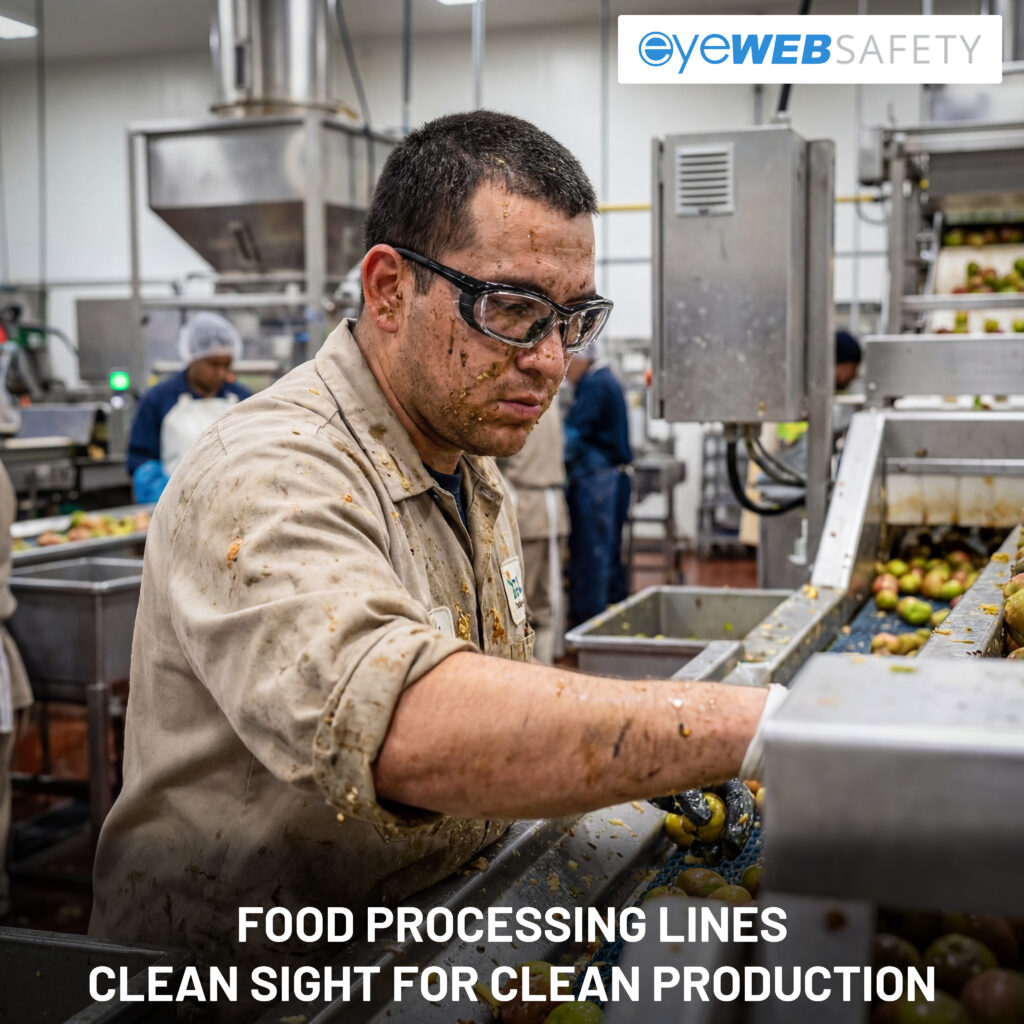

Protective eyewear is a critical component of personal protective equipment (PPE), designed to shield the eyes from hazards that can cause injury, vision loss, or long-term damage. From industrial workplaces and laboratories to construction sites and healthcare environments, protective eyewear plays a vital role in keeping workers safe while supporting clear vision and job performance. Eye injuries are among the most common workplace incidents, yet the majority are preventable with proper eye protection.
This article provides a complete overview of protective eyewear, including its importance, types, standards, applications, and benefits for both employers and employees.
What Is Protective Eyewear?
Protective eyewear refers to safety-rated glasses, goggles, face shields, or specialized eye protection designed to protect the eyes from physical, chemical, biological, and environmental hazards. Unlike regular eyewear, protective eyewear is engineered with impact-resistant materials, durable frames, and coverage features that reduce exposure to workplace risks.
Protective eyewear may be non-prescription or prescription-based and is often required by workplace safety regulations when eye hazards are present.
Why Protective Eyewear Is Important
Eye injuries can result from flying debris, dust, chemicals, sparks, radiation, or biological splashes. Even minor eye injuries can lead to lost work time, medical expenses, and reduced productivity, while severe injuries may cause permanent vision loss.
Protective eyewear is essential because it:
- Prevents eye injuries and long-term damage
- Improves workplace safety and compliance
- Reduces workers’ compensation and medical costs
- Supports productivity through clear, protected vision
- Demonstrates an employer’s commitment to employee well-being
Consistent use of protective eyewear significantly lowers the risk of preventable eye injuries.
Common Types of Protective Eyewear
Protective eyewear is available in several forms, each designed for specific hazards and environments:
1. Safety Glasses
Safety glasses are the most common form of protective eyewear. They feature impact-resistant lenses and durable frames, often with side shields to protect against flying particles and debris.
2. Safety Goggles
Goggles provide a sealed fit around the eyes, offering protection from dust, chemicals, splashes, and fine particles. They are commonly used in laboratories and chemical-handling environments.
3. Prescription Protective Eyewear
Prescription safety glasses combine vision correction with certified eye protection, ensuring workers with vision needs can see clearly while staying protected.
4. Face Shields
Face shields protect the entire face and are often used in combination with safety glasses or goggles for additional protection against splashes, sparks, or flying debris.
5. Specialized Protective Eyewear
This includes laser safety glasses, welding helmets, and radiation-protective eyewear designed for specific industrial or medical applications.
Industries That Require Protective Eyewear
Protective eyewear is essential across many industries, including:
- Construction – protection from debris, dust, and impact hazards
- Manufacturing & Machining – shielding from metal shavings, sparks, and particles
- Oil, Gas & Energy – defense against chemicals and harsh environments
- Healthcare & Laboratories – protection from biological and chemical splashes
- Logistics & Warehousing – eye safety around equipment and packaging materials
- Agriculture – protection from dust, plant matter, and debris
- Automotive & Aerospace – safeguarding eyes during mechanical and assembly work
Any workplace with eye hazards should require appropriate protective eyewear.
Safety Standards and Compliance
Protective eyewear must meet recognized safety standards to ensure adequate protection. One of the most widely accepted standards is:
- ANSI Z87.1 – This standard defines requirements for impact resistance, lens durability, and frame strength.
Employers are responsible for ensuring protective eyewear meets applicable safety regulations and is suitable for the specific hazards present in the workplace.
Key Features of High-Quality Protective Eyewear
Modern protective eyewear is designed for both safety and comfort. Important features include:
- Impact-resistant lenses (polycarbonate or Trivex)
- Durable, safety-rated frames
- Side shields or wraparound designs
- Anti-fog coatings for humid environments
- Scratch-resistant coatings for durability
- UV protection for outdoor work
- Comfortable fit for extended wear
Comfort is a critical factor, as uncomfortable eyewear is less likely to be worn consistently.
Benefits of Protective Eyewear for Employers
Employers who implement proper protective eyewear programs benefit in several ways:
- Reduced workplace injuries and incidents
- Higher compliance with safety regulations
- Lower workers’ compensation and medical costs
- Improved productivity and employee performance
- Stronger safety culture and employee trust
Protective eyewear is a cost-effective investment that delivers long-term safety and financial benefits.
Benefits for Employees
Employees benefit from protective eyewear by gaining:
- Reliable eye protection against workplace hazards
- Clear, unobstructed vision
- Reduced risk of eye strain and fatigue
- Greater comfort during long work shifts
- Confidence in a safer work environment
When workers feel protected, they can focus more effectively on their tasks.
Choosing the Right Protective Eyewear
Selecting the right protective eyewear depends on several factors:
- Type of eye hazard (impact, dust, chemicals, radiation)
- Required safety standards
- Environmental conditions (heat, humidity, outdoor exposure)
- Prescription needs
- Comfort, fit, and durability
A professional safety assessment can help identify the most appropriate protective eyewear for each job role.
Conclusion
Protective eyewear is an essential element of workplace safety, helping prevent eye injuries, support compliance, and improve productivity across industries. By choosing the right type of protective eyewear and ensuring consistent use, employers can create safer environments while protecting their most valuable asset—their workforce.
Frequently Asked Questions (FAQs) – Protective Eyewear
1. What is protective eyewear?
Protective eyewear is safety-rated eye protection designed to shield the eyes from workplace hazards such as impact, dust, debris, chemicals, sparks, and splashes. It includes safety glasses, goggles, face shields, and prescription safety eyewear.
2. Why is protective eyewear important?
Protective eyewear helps prevent eye injuries, vision loss, and long-term damage. Many workplace eye injuries are preventable with proper eye protection, making protective eyewear essential for employee safety and regulatory compliance.
3. What is the difference between safety glasses and regular glasses?
Regular glasses are not impact-rated and can shatter under force. Safety glasses are built with impact-resistant lenses and reinforced frames that meet safety standards such as ANSI Z87.1.
4. Do protective eyewear products need to meet safety standards?
Yes. Protective eyewear should meet recognized standards like ANSI Z87.1, which ensures the eyewear provides proper impact resistance, lens strength, and durability for workplace use.
5. Who should wear protective eyewear?
Anyone working in environments with eye hazards—such as construction, manufacturing, laboratories, healthcare, logistics, and agriculture—should wear protective eyewear.
6. Can protective eyewear be prescription-based?
Yes. Prescription protective eyewear combines vision correction with certified eye protection, allowing workers who need glasses to see clearly while staying protected.
7. What types of protective eyewear are available?
Common types include:
- Safety glasses
- Safety goggles
- Prescription safety glasses
- Face shields
- Specialized eyewear (welding, laser, radiation protection)
8. Are safety goggles better than safety glasses?
It depends on the hazard. Goggles provide a sealed fit and are better for dust and chemical splashes, while safety glasses are suitable for impact protection in many industrial environments.
9. How do I choose the right protective eyewear?
Choose based on:
- Workplace hazards
- Required safety standards
- Environmental conditions
- Prescription needs
- Comfort and fit for long-term wear
10. Is anti-fog coating important?
Yes. Anti-fog coatings improve visibility in humid or temperature-changing environments and help maintain consistent use of protective eyewear.
11. Are employers required to provide protective eyewear?
In many regions, workplace safety regulations require employers to provide appropriate eye protection when hazards are present and ensure it meets safety standards.
12. How often should protective eyewear be replaced?
Protective eyewear should be replaced if lenses are scratched, frames are damaged, visibility is reduced, or the eyewear no longer meets safety requirements.
13. Can protective eyewear be worn all day?
Yes. Modern protective eyewear is designed for comfort and long-term wear, with lightweight frames, adjustable features, and ergonomic designs.
14. Does protective eyewear protect against UV rays?
Many protective eyewear options include UV protection, especially for outdoor work environments.
15. What are the benefits of protective eyewear for employers?
Protective eyewear helps reduce eye injuries, lower workers’ compensation costs, improve compliance, and create a safer, more productive workplace.