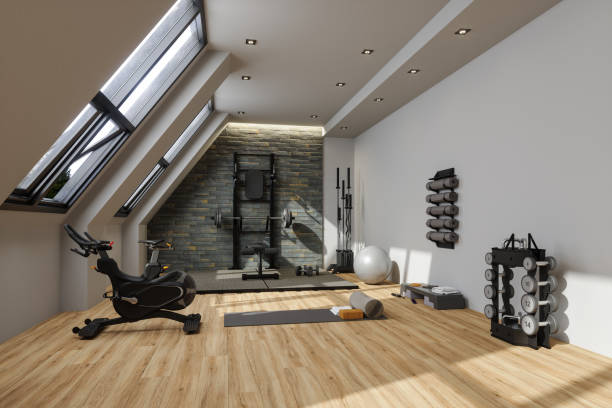

Home gym equipment has become a practical solution for many people across the UK who want consistent, flexible, and cost-effective training. With busy schedules, rising gym memberships, and the need for convenience, more households are investing in their own fitness setups. A well-planned home gym does not require a large space or excessive budget; it requires the right equipment chosen with purpose and long-term use in mind.
Why Home Gyms Are Growing in Popularity
The appeal of home gyms lies in control and convenience. Training at home removes common barriers such as travel time, crowded gyms, and limited opening hours. For UK residents, especially those living in flats or terraced houses, a home gym allows workouts to fit around work, family, and lifestyle commitments.
Another key factor is consistency. Having equipment readily available increases the likelihood of sticking to a routine. Whether it is early-morning strength training or a short evening workout, home gyms make fitness more accessible and sustainable.
Essential Home Gym Equipment to Start With
When building a home gym, it is important to focus on versatile equipment that delivers maximum results. Dumbbells are often the foundation, as they support a wide range of exercises for strength, muscle building, and fat loss. Adjustable dumbbells are particularly popular in UK homes due to their space-saving design.
A weight bench adds significant value by expanding exercise options. Adjustable benches allow users to train chest, shoulders, arms, and core more effectively. For those with slightly more space, a squat rack or half rack provides the ability to perform compound lifts safely, making it a strong investment for long-term strength progression.
Resistance bands, kettlebells, and mats are also commonly included, especially for mobility work, conditioning, and rehabilitation. The goal is not to own everything, but to select equipment that works together efficiently.
Choosing Equipment for Limited Space
Space is often the biggest challenge when creating a home gym in the UK. Many people train in spare bedrooms, garages, or living areas, so equipment must be compact and easy to store. Foldable benches, wall-mounted racks, and adjustable systems are ideal for smaller spaces.
Multi-functional equipment is particularly valuable. For example, a power rack with pull-up bars or a bench with leg attachment can replace several individual machines. By prioritising function over quantity, users can create an effective training environment without cluttering their home.
Quality, Safety, and Durability Matter
One common mistake when buying home gym equipment is focusing only on price. While budget matters, poor-quality equipment can limit progress and increase injury risk. Solid construction, stable frames, and quality materials should always be prioritised, especially for load-bearing items like racks, benches, and barbells.
Safety is another critical consideration. Home training means fewer spotters and less supervision, so equipment must support safe lifting. Features such as safety arms, secure collars, non-slip grips, and stable bases make a noticeable difference, particularly for solo training.
Training Versatility and Progression
Effective home gym equipment should support progression over time. Beginners may start with lighter weights and basic movements, but as strength improves, equipment should allow for increased resistance and more advanced exercises. Adjustable systems are ideal for this reason, as they grow with the user.
Versatility also keeps training engaging. Being able to switch between strength training, functional workouts, and conditioning helps prevent plateaus and boredom. Home gyms that support varied training styles are more likely to deliver long-term results.
Maintaining Motivation in a Home Gym Environment
One challenge some people face with home gyms is maintaining long-term motivation. Without the atmosphere of a commercial gym, training can occasionally feel repetitive. This is where smart equipment choices and routine planning play an important role. Home gym equipment that supports variety, such as adjustable weights, functional tools, or attachments, allows users to rotate workouts and keep training engaging.
Setting a dedicated training area, even in a small space, also helps create a psychological separation between daily life and exercise. Many UK home gym users find that scheduling workouts as non-negotiable appointments improves consistency. Tracking progress through strength gains, improved mobility, or better endurance further reinforces motivation. When used with intent and structure, home gym equipment not only supports physical progress but also helps build long-term discipline and healthy habits.
Cost Efficiency of Home Gym Equipment
Although the initial investment can seem high, home gym equipment often proves more economical over time. Monthly gym fees, travel costs, and contracts quickly add up. A well-chosen home gym setup can pay for itself within a year while remaining usable for many years after.
For families or shared households, the value increases further. Multiple users can train on the same equipment, making home gyms a practical option for long-term fitness.
Creating a Home Gym That Works for You
The most successful home gyms are built around personal goals, available space, and realistic routines. There is no universal setup that suits everyone. Some users prioritise strength training, while others focus on general fitness, rehabilitation, or weight loss.
By investing in reliable, versatile home gym equipment and maintaining a consistent training approach, UK fitness enthusiasts can achieve professional-level results at home. A thoughtfully designed home gym is not just a convenience; it is a long-term commitment to health, strength, and wellbeing.