
Maintaining clean, safe, and crystal-clear pool water is essential for every pool owner. Whether it’s a residential backyard pool or a commercial swimming facility, water quality directly affects swimmer health, comfort, and the lifespan of pool equipment. Traditionally, chlorination has been the go-to method for pool sanitation. However, with advancements in technology, pool water purification systems have emerged as a more efficient and healthier alternative.
This detailed guide explains the difference between pool water purification and traditional chlorination, helping you understand which option is better for long-term pool care.
Understanding Traditional Chlorination
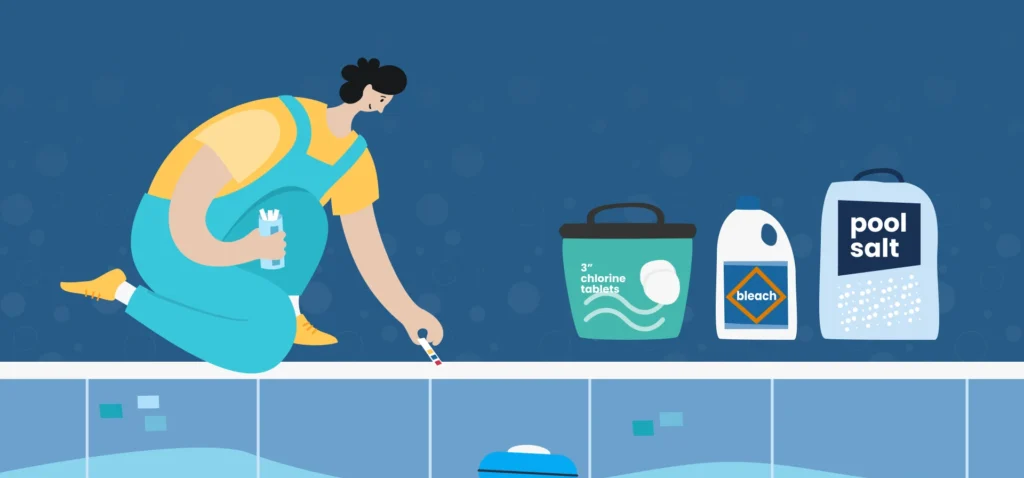
Traditional chlorination involves adding chlorine to pool water to kill bacteria, algae, and harmful microorganisms. Chlorine is available in various forms such as liquid chlorine, tablets, granules, or sticks.
How Chlorination Works
When chlorine is added to water, it forms hypochlorous acid, which attacks and destroys bacteria and viruses. To remain effective, chlorine levels must be carefully balanced, usually between 1–3 parts per million (ppm).
Advantages of Traditional Chlorination
- Proven and widely used method
- Low initial setup cost
- Easily available chemicals
- Effective against most common bacteria
Disadvantages of Chlorination
- Strong chemical smell caused by chloramines
- Skin, eye, and respiratory irritation
- Requires constant monitoring and testing
- Can damage pool surfaces and equipment over time
- Causes chemical imbalance if overdosed
Traditional chlorination may work, but it demands consistent attention and chemical management to avoid water quality issues.
What Is Pool Water Purification?
Pool water purification refers to advanced sanitation methods that reduce or minimize the need for heavy chemical use. These systems often work alongside low chlorine levels or act as secondary sanitizers to enhance water quality.
Common Pool Water Purification Technologies
- UV (Ultraviolet) Systems: Destroy microorganisms by damaging their DNA
- Ozone Systems: Oxidize bacteria and organic contaminants
- Mineral Purification: Uses natural minerals like copper and silver
- Advanced Filtration: Removes fine particles and debris
These systems provide cleaner, softer, and healthier water compared to traditional chlorine-only pools.
Major Differences Between Pool Water Purification and Chlorination
1. Chemical Dependency
Traditional chlorination relies entirely on chemicals to sanitize water. Pool water purification systems significantly reduce chemical dependency, creating a safer swimming environment.
2. Water Comfort
Purified water feels smoother on the skin and causes less dryness and irritation. Chlorinated pools often lead to itchy skin, red eyes, and damaged hair.
3. Odor and Air Quality
Strong chlorine odors are common in traditional pools due to chloramine buildup. Purification systems reduce chloramines, resulting in better air quality, especially for indoor pools.
4. Effectiveness Against Contaminants
Advanced purification systems are more effective at neutralizing chlorine-resistant bacteria, viruses, and organic waste that traditional chlorination may miss.
Impact on Water Balance and Pool Chemistry
Maintaining proper water balance is one of the biggest challenges in pool maintenance. Traditional chlorination can cause fluctuations in:
- pH levels
- Alkalinity
- Calcium hardness
Excessive chemical use often leads to scaling, cloudy water, and damage to pool surfaces. This is where professional services like Calcium Hardness Removal From Pools Cave Creek AZ become essential, especially in areas with hard water.
Pool water purification systems help stabilize water chemistry, reducing the risk of calcium buildup and improving overall water clarity.
Maintenance Requirements Comparison
Traditional Chlorination Maintenance
- Daily or weekly water testing
- Frequent chemical adjustments
- Manual dosing or tablet replacement
- Regular shock treatments
Pool Water Purification Maintenance
- Less frequent chemical adjustments
- Automated sanitation processes
- Lower ongoing maintenance effort
- Longer equipment lifespan
While chlorination may appear simple, it often becomes time-consuming and labor-intensive over time.
Cost Analysis: Short-Term vs Long-Term
Chlorination Costs
- Lower upfront investment
- Continuous chemical expenses
- Higher long-term maintenance costs
Pool Water Purification Costs
- Higher initial installation cost
- Reduced chemical usage
- Lower maintenance and repair costs
Over several years, pool water purification systems often prove to be more economical despite the initial investment.
Environmental Impact
Traditional chlorination releases chemical byproducts into the environment during backwashing and drainage. These chemicals can negatively impact surrounding soil and water systems.
Pool water purification systems are more environmentally friendly, using fewer chemicals and conserving water quality while maintaining effective sanitation.
Health and Safety Benefits
Chlorinated pools are known to cause:
- Skin dryness and rashes
- Eye irritation
- Breathing discomfort
- Allergic reactions
Purification systems significantly reduce these issues by minimizing chemical exposure. Families with children, elderly swimmers, and people with sensitive skin benefit greatly from purified pool water.
In regions with hard water, combining purification systems with Calcium Hardness Removal From Pools Cave Creek AZ ensures healthier water and prevents long-term damage to pool infrastructure.
Which Option Is Right for You?
Choose Traditional Chlorination if:
- You want a low initial cost solution
- Your pool has minimal usage
- You’re comfortable with frequent maintenance
Choose Pool Water Purification if:
- You want cleaner, healthier water
- You prefer reduced chemical exposure
- You want long-term savings
- You want lower maintenance effort
Final Thoughts
Both pool water purification and traditional chlorination serve the same goal—keeping pool water safe and clean. However, modern pool water purification systems clearly offer superior comfort, improved water quality, and long-term benefits. With reduced chemical use, better water balance, and enhanced swimmer safety, purification systems are quickly becoming the preferred choice for pool owners.
Investing in advanced pool water purification not only improves your swimming experience but also protects your pool equipment and reduces maintenance stress in the long run.
Read Other: What Is a Lifeguard and What Do Lifeguards Actually Do?