
In today’s modern world, electricity powers almost everything around us. From our homes to industries, we rely on safe and reliable electrical systems to keep things running smoothly. One of the most important components in these systems is AB cables. Whether you are a homeowner, an electrician, or someone curious about electrical infrastructure, understanding AB cables can help you make better decisions about installation, maintenance, and usage.
In this guide, we will explore the structure of AB cables, their function, and the most common installations where they are used. We will also touch on safety measures and practical tips for choosing the right cables for your needs.
What Are AB Cables?
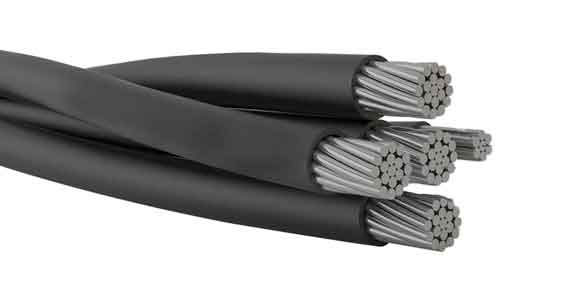
AB cables, also known as Aerial Bundled Cables, are a type of overhead power cable widely used for electricity distribution. Unlike traditional bare conductors, AB cables are insulated, which makes them safer and more efficient. They consist of several insulated conductors bundled together in a single assembly, usually with weather-resistant insulation.
The key advantage of AB cables is their ability to reduce the risk of electrical hazards. Because the conductors are insulated, the chances of short circuits, accidental contact, or power losses due to weather conditions are significantly minimized. This makes AB cables an ideal choice for residential, commercial, and industrial power.
Structure of AB Cables
Understanding the structure of AB cables is essential to appreciate why they are so widely used. A typical AB cable consists of the following components:
1. Conductors
The conductors are the core part of the cable, usually made of aluminum or copper, which are excellent conductors of electricity. Aluminum is lighter and more cost-effective, while copper offers higher conductivity. The number of conductors in an AB cable depends on its application; most common configurations have 2, 3, or 4 conductors.
2. Insulation Layer
Each conductor in an AB cable is covered with a thick insulation layer made from cross-linked polyethylene (XLPE) or another durable polymer. This layer prevents electrical leakage, protects against environmental factors, and reduces the risk of accidental shocks.
3. Weather-Resistant Outer Layer
AB cables also have an outer protective covering that shields them from sunlight, rain, and pollution. This ensures the cable can withstand outdoor conditions for long periods without deteriorating.
4. Bundled Configuration
Unlike single-core cables, AB cables bundle multiple insulated conductors together. This bundling makes installation easier and reduces the space required on poles and overhead lines.
Functions of AB Cables
AB cables are not just about transmitting electricity—they serve multiple functions that enhance the safety and efficiency of power distribution:
1. Safe Power Transmission
The insulation around each conductor prevents accidental contact with live wires, protecting both people and animals. This is particularly important in residential areas or places with dense populations.
2. Reduced Power Loss
Traditional bare overhead wires can experience significant power loss due to short circuits, line faults, or environmental factors. AB cables minimize these losses because each conductor is insulated, improving overall energy efficiency.
3. Weather Resistance
AB cables can endure harsh weather conditions such as rain, storms, and high winds. This makes them ideal for outdoor use in rural, urban, and semi-urban areas.
4. Easy Maintenance
Since the cables are bundled and insulated, it is easier for electricians to identify and repair faults without disrupting the entire power system. This reduces downtime and maintenance costs.
Types of AB Cables
AB cables come in various types, each designed for specific applications. Some common types include:
1. Single-Core AB Cables
These are simple AB cables with only one insulated conductor, mainly used for low-voltage applications. They are easy to install and are suitable for short-distance electricity transmission.
2. Multi-Core AB Cables
Multi-core AB cables have two or more conductors bundled together. They are commonly used in residential areas to supply electricity to multiple homes from a single pole.
3. Triplex and Quadruplex Cables
Triplex cables have three conductors, while quadruplex cables have four. These are widely used for medium-voltage distribution, providing power to commercial areas and small industries efficiently.
4. Neutral-Core AB Cables
Some AB cables include a neutral conductor in addition to the phase conductors. This neutral core helps in balancing the load and ensures stable power supply, which is especially important for sensitive electrical equipment.
Common Installations of AB Cables
AB cables are versatile and can be installed in a variety of settings. Here are the most common installation scenarios:
1. Residential Areas
In urban and rural residential areas, AB cables are commonly used for overhead electricity distribution. They provide a safe and reliable power supply while reducing the risk of accidents caused by bare wires.
2. Commercial Buildings
For commercial establishments such as shops, offices, and markets, AB cables ensure uninterrupted electricity supply. Their insulated design makes them safe even in crowded areas where accidental contact is possible.
3. Industrial Zones
Industries require stable and high-capacity power supply. AB cables can handle medium-voltage distribution, making them suitable for industrial zones. Their durability also ensures minimal downtime due to environmental wear and tear.
4. Rural Electrification
In rural areas, installing traditional bare wires can be dangerous due to trees, animals, and unpredictable weather. AB cables are ideal here because their insulated structure reduces the risk of accidents and improves reliability.
5. Temporary Power Supply
AB cables are also used for temporary setups, such as construction sites or events. Their easy installation and portability make them a preferred choice for short-term projects.
Installation Guidelines for AB Cables
Proper installation is critical to maximize the safety and lifespan of AB cables. Some important guidelines include:
- Choose the Right Cable Type: Select AB cables according to voltage, current capacity, and environmental conditions.
- Maintain Safe Clearance: Ensure that the cables are installed at a safe height above ground to avoid accidental contact.
- Use Proper Support: Poles or towers must be strong enough to hold the weight of bundled AB cables.
- Avoid Sharp Bends: Excessive bending of AB cables can damage the insulation, leading to short circuits.
- Regular Inspection: Periodically inspect AB cables for wear, damage, or loose connections to ensure long-term reliability.
Following these guidelines not only ensures safety but also improves the efficiency of electricity distribution.
Advantages of AB Cables
AB cables offer several benefits over traditional overhead conductors:
- Enhanced Safety: Reduced risk of electric shock and short circuits.
- Lower Maintenance Costs: Insulated design requires less frequent repairs.
- Durability: Can withstand harsh weather and environmental conditions.
- Improved Aesthetics: Bundled configuration looks neat compared to multiple bare wires.
- Energy Efficiency: Minimizes power losses during transmission.
These advantages explain why AB cables are increasingly replacing conventional overhead lines in many parts of the world.
Challenges and Considerations
While AB cables have many advantages, there are a few challenges and considerations:
- Initial Cost: AB cables are more expensive than traditional bare conductors. However, their long-term benefits outweigh the upfront cost.
- Installation Expertise: Proper installation requires trained personnel to ensure safety and efficiency.
- Rodent Damage: In some areas, rodents may damage the outer insulation. Protective measures may be needed.
- Limited High-Voltage Applications: AB cables are ideal for low to medium voltage distribution but are not suitable for very high-voltage transmission.
Being aware of these factors helps in planning and maintaining a safe, reliable electrical system.
Maintenance Tips for AB Cables
To ensure the long life and safe operation of AB cables, regular maintenance is essential. Here are a few tips:
- Inspect the cables regularly for cracks, cuts, or abrasions.
- Check the tension and alignment to avoid sagging.
- Clean the cables periodically to remove dust, bird droppings, or other debris.
- Replace any damaged section immediately to prevent power disruption or accidents.
Proper maintenance reduces downtime, improves safety, and ensures a stable power supply.
Future of AB Cables
With the growing demand for electricity and focus on safety, AB cables are expected to play a major role in power distribution. Innovations in insulation materials, higher-capacity conductors, and eco-friendly designs will continue to improve their efficiency and reliability. In the future, more urban, rural, and industrial areas are likely to adopt AB cables as the standard for overhead power distribution.
Conclusion
AB cables are a vital part of modern electrical systems, offering safety, reliability, and efficiency in electricity distribution. From residential neighborhoods to industrial zones, these insulated bundled cables are making power supply safer and more efficient than ever. When choosing AB cables, it is essential to consider the type, installation guidelines, and maintenance practices to maximize their benefits.
For anyone looking for quality best AB cables and professional installation services, Prabha Power provides trusted solutions that meet modern standards. Their expertise ensures safe, reliable, and long-lasting power distribution for homes, businesses, and industries alike.