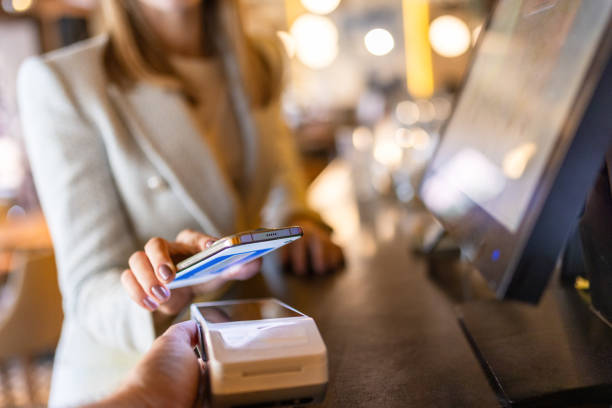

Picture this: You’re at a networking event, juggling a drink, your phone, and a stack of traditional paper business cards that will likely end up forgotten in someone’s wallet or, worse, the trash. Now imagine simply tapping your phone against someone else’s device and instantly sharing your contact information, portfolio, social media profiles, and even a personalized video introduction. This isn’t science fiction—it’s the reality of NFC business cards, and they’re transforming how professionals connect in our digital-first world.
The humble business card has remained largely unchanged for centuries, but NFC (Near Field Communication) technology is finally dragging this networking staple into the 21st century. As we navigate an increasingly contactless world, these smart cards offer more than just convenience—they represent a fundamental shift in how we approach professional networking and personal branding. Let’s explore how this innovative technology can completely revolutionize your marketing strategy and give you a competitive edge in today’s fast-paced business environment.
What Exactly Are NFC Business Cards?
NFC business cards are physical cards embedded with a tiny chip that uses Near Field Communication technology to wirelessly transmit information to smartphones and other NFC-enabled devices. When someone taps their phone against your card, the chip instantly transfers your digital contact information, website links, social media profiles, or any other data you’ve programmed into it. Think of it as a bridge between the physical and digital worlds—you hand someone a tangible card, but what they receive is a comprehensive digital experience.
The technology itself isn’t new. NFC has been powering contactless payments, public transportation cards, and access control systems for years. What’s revolutionary is applying this proven technology to networking and marketing. Unlike QR codes that require opening a camera app and proper lighting, NFC works instantly with a simple tap, creating a seamless and impressive experience that people remember.
The Environmental and Economic Benefits
Let’s talk about sustainability—a concern that’s increasingly important to both businesses and consumers. Traditional paper business cards contribute to significant waste. Studies suggest that approximately 88% of paper business cards are thrown away within a week, and businesses globally print billions of them annually. That’s an enormous amount of paper, ink, and energy spent on something that often ends up in landfills.
NFC business cards eliminate this waste entirely. You purchase one card that lasts for years, and you can update the information it shares instantly without reprinting. From an economic perspective, the math is compelling. While an NFC card costs more upfront—typically ranging from $10 to $50 depending on features and design—you’ll never need to reprint when you change jobs, phone numbers, or want to update your portfolio. Over time, this saves money while demonstrating your commitment to environmental responsibility, which resonates strongly with modern consumers and business partners.
Creating Memorable First Impressions
In business, you rarely get a second chance to make a first impression. When you pull out an NFC business card at a networking event or client meeting, you immediately signal that you’re forward-thinking and tech-savvy. The moment someone taps their phone against your card and sees their screen light up with your information is genuinely delightful—it’s an experience they won’t forget.
This “wow factor” extends beyond the initial exchange. While traditional cards often get lost or damaged, the digital contact information from an NFC card goes directly into someone’s phone, where they’re far more likely to see and use it. You’re not just handing them contact details; you’re creating an interactive experience that positions you as an innovator. In industries where staying ahead of trends matters—technology, marketing, design, real estate—this impression can be the difference between being remembered and being forgotten.
Unlimited Information in Your Pocket
Real-Time Analytics and Lead Tracking
Traditional business cards offer zero insight into what happens after you hand them out. Did the recipient look at your information? Visit your website? Reach out to colleagues? You’re left guessing. NFC business cards change this entirely by providing valuable analytics about every interaction.
Most NFC business card platforms include dashboard analytics that track when someone taps your card, what information they viewed, how long they spent on your landing page, and which links they clicked. This data is gold for marketing professionals. You can see which networking events generate the most engagement, what content resonates with your audience, and which connections are most interested in your services. This transforms business cards from a one-way information dump into a two-way marketing tool that helps you understand and nurture your professional relationships more effectively.
Seamless CRM Integration and Follow-Up
The real power of digital networking emerges when you integrate NFC cards with your Customer Relationship Management system. Many NFC business card platforms allow automatic syncing with popular CRM tools like Salesforce, HubSpot, or even simple systems like Google Contacts. When someone taps your card, their interaction can automatically create a new contact entry in your database, complete with timestamps and interaction data.
This automation streamlines your follow-up process dramatically. Instead of manually entering information from paper cards you collected at an event (a task most professionals procrastinate on), you have instant, accurate records of everyone you met. You can set up automated follow-up emails, schedule reminders to reach out, or segment contacts based on where you met them. This efficiency means you’re more likely to actually follow up with connections while the interaction is still fresh in their minds—dramatically increasing your conversion rate from casual contact to meaningful business relationship.
Security and Professional Control
Privacy and data security are legitimate concerns in our connected world, and NFC business cards address these thoughtfully. Unlike social media connections or email exchanges, you control exactly what information you share through your NFC card. You’re not giving strangers access to your personal profiles or private contact methods—you’re directing them to the professional information you choose to make public.
Industry-Specific Applications
Different industries can leverage NFC business cards in unique ways that directly address their specific networking challenges. Healthcare professionals, for instance, can include HIPAA-compliant appointment scheduling links while maintaining patient privacy. Freelancers and consultants can link to real-time availability calendars, making it effortless for potential clients to book discovery calls.
Sales professionals can program their cards to display current promotions, product catalogs, or demo videos—essentially carrying their entire sales presentation in their pocket. Event planners can share portfolio galleries of past events. Financial advisors can link to educational resources and market updates. Nonprofits can direct supporters to donation pages. The technology adapts to your industry’s needs rather than forcing you to adapt to its limitations. This flexibility makes NFC cards valuable across virtually every professional sector, from traditional industries embracing digital transformation to cutting-edge tech companies looking for the next networking innovation.
The Social Sharing Advantage
One often-overlooked benefit of NFC business cards is their shareability in the digital realm. When someone receives your information through an NFC tap, they don’t just keep it to themselves—they can easily forward it to others who might benefit from connecting with you. Your digital contact card can be shared via text, email, or messaging apps with a single tap, exponentially expanding your network reach beyond the people you physically meet.
Future-Proofing Your Professional Network
The business world is moving decisively toward digital-first interactions, a trend accelerated by recent global events. While paper business cards feel increasingly outdated, NFC cards position you at the forefront of this transition. Early adopters of new networking technologies often gain disproportionate advantages—they’re seen as industry leaders and innovators, attracting clients and partners who value forward-thinking approaches.
Overcoming Common Concerns and Misconceptions
Some professionals hesitate to adopt NFC business cards due to misconceptions about the technology. The most common concern is compatibility—will everyone be able to use it? The reality is that NFC is built into virtually all smartphones manufactured since 2014, covering the vast majority of your potential contacts. For the rare cases where someone has an older device, most NFC cards also include a QR code backup option or a simple web link.
Another concern is complexity. People assume setting up and managing an NFC card requires technical expertise. In truth, most providers offer intuitive platforms that are easier than creating a social media profile. You simply fill in your information through a web interface, and the card works automatically. Updates take seconds, and there’s no coding or technical knowledge required. The cost concern we addressed earlier, but it’s worth reiterating: while the upfront cost is higher, the long-term savings and benefits far outweigh this initial investment, especially for active networkers who would otherwise print hundreds or thousands of traditional cards over their careers.
Frequently Asked Questions
How do NFC business cards actually work?
NFC business cards contain a small chip that communicates with NFC-enabled smartphones through electromagnetic radio fields. When someone holds their phone near your card (typically within 1-2 inches), the chip activates and transmits data to the phone, usually opening a web link to your digital profile. No app installation is required for most modern smartphones—the technology works natively with both iPhone and Android devices.
Can I update my information after purchasing an NFC card?
Absolutely! This is one of the biggest advantages of NFC cards. Your physical card contains a chip that points to a web-based profile that you control. Whenever you want to update your phone number, email, job title, portfolio, or any other information, you simply log into your profile dashboard and make changes. The physical card doesn’t need to be replaced—it will automatically share your updated information the next time someone taps it.
Are NFC business cards expensive?
NFC business cards typically cost between $10 and $50 per card depending on the provider, design customization, and features. While this is significantly more than paper cards, remember you only need one card that lasts for years. Many providers also offer subscription models that include the card plus analytics and profile hosting for a monthly or annual fee, usually ranging from $5 to $20 per month. When you factor in never needing reprints and the marketing advantages, most professionals find them cost-effective.
What happens if someone doesn’t have an NFC-enabled phone?
While NFC is standard in virtually all modern smartphones, reputable NFC card providers include backup options for rare compatibility issues. Most cards also feature a QR code that anyone can scan with their camera, or you can simply tell them to visit a specific web address. Some premium cards even include a URL printed on them that people can type into their browser, ensuring you can share your information with absolutely anyone regardless of their device.
Is my data secure with NFC business cards?
Yes, NFC business cards are generally very secure. The technology uses short-range communication (only 1-2 inches), making it nearly impossible for someone to intercept your data remotely. You control what information is shared—typically just a link to your professional profile. You’re not transmitting sensitive personal data, and you can update or remove information at any time. Choose reputable NFC card providers that use secure, encrypted platforms and you’ll have far more control over your data than with paper cards that can be lost or copied.
How long do NFC business cards last?
Quality NFC business cards are designed to last for years with normal use. The chip itself can typically be read millions of times without degrading. The physical card’s lifespan depends on the material—plastic cards last 2-3 years, while metal cards can last 5-10 years or more. Since you’re only carrying one card rather than a stack, it’s less likely to get damaged. Even if the physical card eventually wears out, you can transfer your digital profile to a new card without losing any of your information or connections.