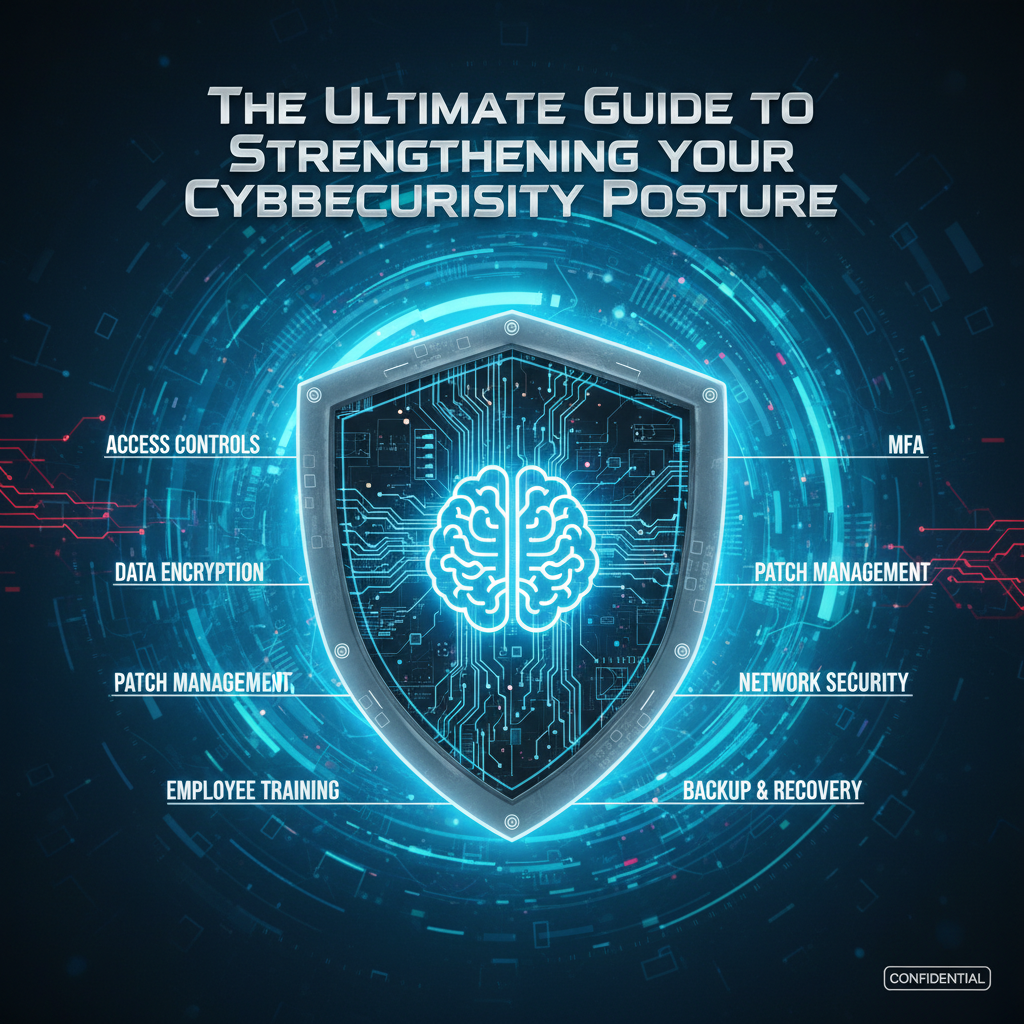

In today’s increasingly digital world, cybersecurity is no longer just an IT concern it’s a business imperative. From protecting sensitive customer data to maintaining the integrity of your company’s operations, your cybersecurity posture determines how effectively you can prevent and respond to cyber threats. With the rise in cyberattacks, data breaches, and ransomware, strengthening your cybersecurity posture has become one of the top priorities for businesses of all sizes.
This guide will explore the key strategies and best practices that can help businesses enhance their cybersecurity defenses. Whether you’re a small startup or a large enterprise, adopting a proactive cybersecurity approach will not only protect your assets but also build trust with your customers and ensure business continuity in an age of growing digital threats.
Assessing Your Current Cybersecurity Posture
Before you can improve your cybersecurity defenses, you must first understand where your organization stands. An accurate assessment of your current cybersecurity posture helps identify vulnerabilities, weaknesses, and areas for improvement.
Conduct a Cybersecurity Audit
The first step in strengthening your cybersecurity posture is conducting a comprehensive audit. This process involves evaluating your current security policies, practices, and technologies. Identify all potential entry points for cyber threats, such as networks, devices, and third-party applications.
An audit also involves reviewing your organization’s past incidents if any and analyzing how effectively they were handled. This will help you determine gaps in your cybersecurity strategy and inform future improvements.
Identify Key Risks
Understanding your unique risks is essential for building an effective cybersecurity strategy. Different industries and businesses face different threats. For example, e-commerce businesses may be more vulnerable to payment fraud, while healthcare organizations face risks related to patient data breaches.
Mapping out your most critical assets, including intellectual property and sensitive data, will allow you to tailor your cybersecurity efforts to protect what matters most. Once you’ve identified key risks, prioritize your efforts to mitigate them.
Building a Strong Cybersecurity Foundation
A robust cybersecurity posture requires a solid foundation of best practices and policies. From the implementation of secure systems to employee training, the strength of your cybersecurity efforts will depend on how well you integrate security measures across all facets of your business.
Implement Strong Authentication Protocols
One of the most effective ways to prevent unauthorized access to your systems is by using strong authentication methods. The era of relying solely on passwords is over. Multi-factor authentication (MFA) adds an extra layer of protection by requiring users to provide two or more forms of verification such as a password and a one-time code sent to their mobile device.
By implementing MFA across all company accounts and systems, you dramatically reduce the risk of unauthorized access, even if a password is compromised. According to a report by Microsoft, MFA can block 99.9% of account compromise attacks, making it a must-have in your cybersecurity toolkit.
Keep Software and Systems Updated
Outdated software and systems are prime targets for cybercriminals. Security vulnerabilities are often discovered after software releases, and companies that delay updates are at a much higher risk of being attacked. Ensure that your organization regularly patches and updates all operating systems, applications, and network devices to address known security vulnerabilities.
Automating updates wherever possible is an effective way to stay on top of critical patches and minimize human error. Establish a policy for updating systems promptly and ensure that your IT team follows through with these updates.
Secure Your Networks and Data
In a digitally connected world, your network is one of the most important aspects of your cybersecurity posture. A secure network is the foundation of your digital defenses, and it should be protected with firewalls, intrusion detection systems, and encryption technologies.
Data protection is equally important. Encrypt sensitive data both in transit and at rest to protect it from unauthorized access. Implementing role-based access controls (RBAC) ensures that employees only have access to the data necessary for their job functions, minimizing the risk of internal breaches.
Educating Employees and Promoting Cybersecurity Awareness
While technology plays a significant role in securing your business, your employees are often the first line of defense in the fight against cyber threats. Employee training and awareness are critical components of a strong cybersecurity posture.
Conduct Regular Security Training
Employee education is crucial for preventing common cyberattacks like phishing, social engineering, and malware infections. Implement a regular cybersecurity training program that covers the latest threats and teaches employees how to identify and respond to suspicious activities.
Training should include basic security measures, such as the importance of strong passwords, how to spot phishing emails, and best practices for data handling. Conducting periodic refresher courses will keep cybersecurity top-of-mind for all employees.
Foster a Security Culture
Creating a culture of security within your organization can significantly strengthen your cybersecurity posture. Encourage employees to report security incidents, practice good security hygiene, and remain vigilant about potential threats. Recognizing and rewarding employees who follow best practices can help reinforce this mindset.
Promote cybersecurity awareness in daily operations, and make it a part of your organization’s core values. When employees understand the importance of cybersecurity and feel responsible for protecting company data, they will be more likely to adhere to security protocols.
Responding to Cybersecurity Incidents
Despite your best efforts, no cybersecurity strategy is foolproof. It’s essential to have a well-defined incident response plan in place, so your team is prepared to act swiftly in the event of a cyberattack.
Develop an Incident Response Plan
A clear incident response plan will help minimize the damage caused by a cybersecurity breach. This plan should outline the steps your team should take in the event of an attack, including how to contain the threat, communicate with stakeholders, and recover lost data.
The plan should be tested regularly through simulated cyberattack scenarios to ensure that employees are familiar with their roles in a crisis. A rapid response can make all the difference in reducing the financial and reputational damage caused by a breach.
Conclusion:
Strengthening your cybersecurity posture is a continuous process that requires diligence, the right tools, and a proactive mindset. By assessing your current security measures, implementing robust systems, educating your employees, and preparing for incidents, you can significantly reduce your exposure to cyber threats and ensure business continuity.
In a world where cyberattacks are becoming increasingly sophisticated, your organization’s cybersecurity posture is your best defense. Now is the time to take action and prioritize cybersecurity to protect your business, customers, and data. With the right approach, you can stay ahead of cybercriminals and safeguard your digital assets.