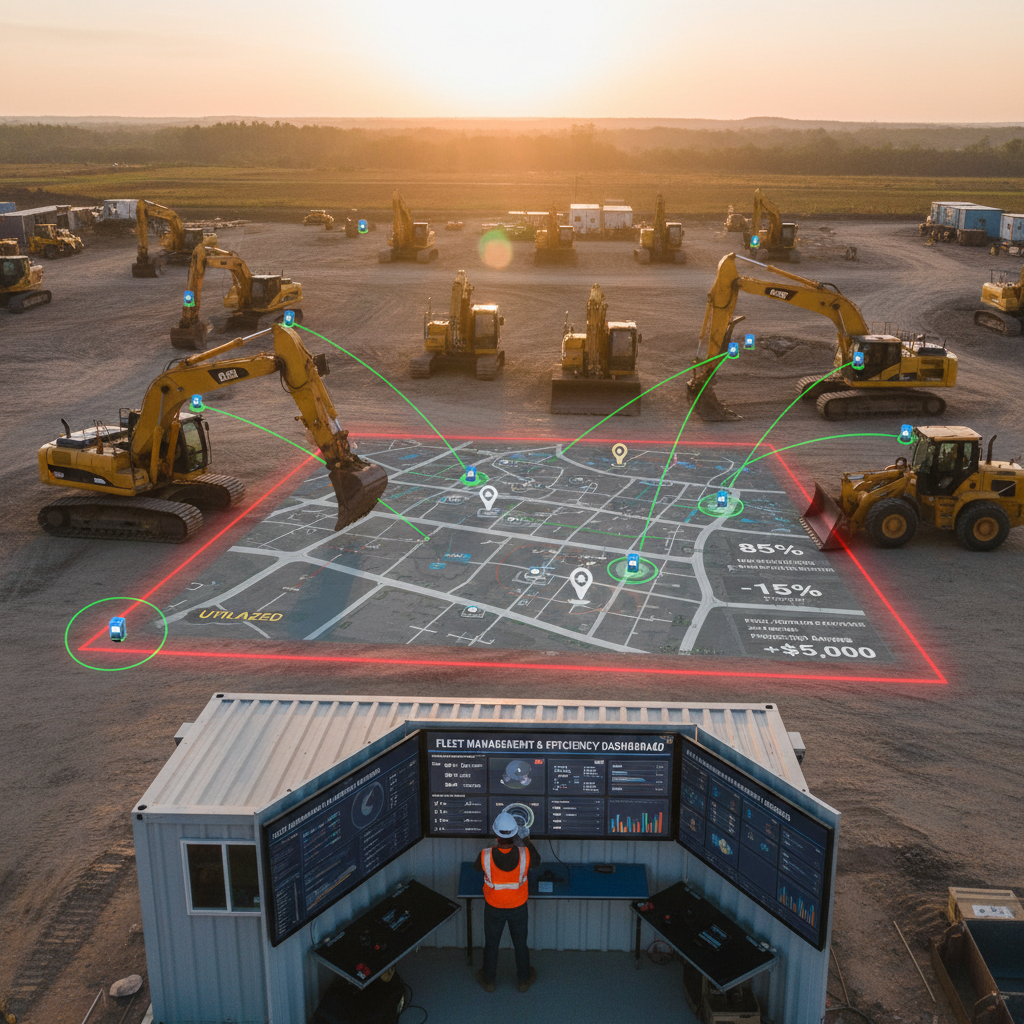

In the construction industry, efficiency is the key to keeping projects on time and within budget. Construction companies rely heavily on their fleet of machinery and equipment, and any downtime or delays can quickly spiral into increased costs. One of the most effective ways to maximize the efficiency of your construction equipment is through construction equipment tracking software powered by GPS technology.
GPS tracking for construction equipment is not just about knowing where your machines are it’s about improving utilization, reducing downtime, and streamlining maintenance processes. With the ability to track, manage, and monitor equipment in real-time, GPS tracking can revolutionize the way construction companies operate.
What is GPS Tracking for Construction Equipment?
GPS tracking for construction equipment involves the use of satellite technology to track the location, usage, and health of construction machinery in real time. Integrated with construction equipment tracking software, GPS tracking provides managers with immediate access to critical data, such as fuel consumption, operating hours, and even diagnostic alerts.
This system allows construction businesses to streamline operations, improve productivity, and make informed decisions about asset allocation, equipment maintenance, and overall fleet management.
Maximizing Equipment Utilization and Reducing Idle Time
One of the biggest challenges in construction is ensuring that equipment is being used efficiently. Construction equipment tracking software with GPS allows companies to see exactly where and when each machine is being used. This visibility helps prevent underutilization, which is a common issue on construction sites.
For example, when equipment is left idle for extended periods, it not only represents wasted investment but also drives up operational costs due to storage, maintenance, and depreciation. GPS tracking provides real-time information about equipment activity, enabling managers to allocate resources more effectively, track equipment performance, and schedule machines according to project needs.
By using GPS tracking, businesses can maximize equipment uptime, reducing idle time and increasing productivity on-site.
Improving Maintenance and Preventing Downtime
Unplanned downtime is costly. When a machine breaks down unexpectedly, it can cause delays and increase repair costs. However, with construction equipment tracking software, businesses can predict and prevent equipment failure by using data gathered from GPS-enabled systems.
Real-time data on machine usage, operating conditions, and maintenance schedules allows businesses to identify potential issues before they lead to major breakdowns. Many construction equipment tracking software solutions offer automated alerts for when equipment needs maintenance, based on usage hours or system diagnostics.
For example, companies can schedule preventive maintenance based on machine hours, ensuring that equipment is serviced at optimal intervals. This reduces the likelihood of breakdowns and extends the lifespan of the machinery.
Additionally, having this maintenance information stored digitally creates a comprehensive history of all repairs and services, making it easier to track the maintenance lifecycle of each piece of equipment.
Enhancing Security and Theft Prevention
Construction equipment is a valuable asset, and theft is a serious risk for construction companies. Construction equipment tracking software with GPS features helps mitigate this risk by providing 24/7 location tracking. If a piece of equipment is moved outside of a predefined area or removed from the construction site without authorization, the system will send immediate alerts to managers.
In the event of theft, GPS tracking enables quick recovery by pinpointing the equipment’s exact location, allowing law enforcement to act faster. This security feature not only helps recover stolen equipment but also acts as a deterrent against theft in the first place.
Real-Time Data for Better Decision-Making
One of the greatest benefits of construction equipment tracking software is the ability to make data-driven decisions in real time. With real-time tracking, construction managers can make informed decisions about equipment usage, maintenance, and resource allocation.
Managers can access detailed reports on equipment performance, fuel consumption, operating hours, and more, which helps identify inefficiencies or machines that are underperforming. For example, if a machine is using excessive fuel, the data collected can highlight potential issues, such as a need for maintenance or inefficient operation, allowing managers to address the problem proactively.
Having access to this data also improves communication between office teams, field teams, and project managers, ensuring that everyone is on the same page regarding equipment status and utilization.
Cost Savings and Improved Profitability
By maximizing the efficiency of your fleet with construction equipment tracking software, you can significantly reduce costs across the board. The reduction in idle time, fewer unexpected repairs, and better fuel efficiency all contribute to a more cost-effective operation.
Improved maintenance schedules lead to fewer breakdowns, which means less money spent on emergency repairs and reduced downtime that would otherwise delay projects. Additionally, with better resource allocation, companies can complete projects more quickly, allowing them to take on more work and increase profitability.
The ability to monitor equipment performance over time also means that companies can make smarter decisions about when to repair or replace machinery, avoiding unnecessary expenses while ensuring that all equipment remains operational.
Clue and the Role of Smart GPS Tracking in Construction Equipment Management
Platforms like Clue offer construction equipment tracking software that integrates GPS technology to provide real-time insights into your fleet’s performance. With features such as predictive maintenance alerts, asset tracking, and usage analytics, Clue helps businesses stay on top of their equipment needs and streamline fleet management.
By offering an intuitive dashboard, Clue simplifies the process of monitoring equipment health, reducing manual effort, and allowing for more efficient decision-making. Whether you’re overseeing a small fleet or managing a large-scale operation, Clue’s GPS-enabled features provide the tools needed to optimize fleet performance and boost profitability.
Streamlining Operations with GPS Tracking Integration
Integrating GPS tracking into construction equipment tracking software doesn’t just improve efficiency it also brings added convenience to construction project management. Many software solutions can integrate GPS tracking with other systems, such as project management software, to create a seamless workflow across the entire operation.
For instance, managers can coordinate with teams to ensure the right equipment is deployed at the right time based on current project needs. This integration allows for improved coordination, reduces the risk of delays, and keeps projects moving forward without unnecessary downtime.
Conclusion
In the competitive world of construction, maximizing efficiency is key to staying ahead. Construction equipment tracking software equipped with GPS technology provides businesses with real-time data and actionable insights that improve decision-making, reduce downtime, and lower operating costs.
From better equipment utilization and maintenance scheduling to enhanced security and data-driven decision-making, GPS tracking technology enables companies to optimize their operations and increase profitability. By adopting these smart solutions, construction businesses can stay on top of equipment management and ensure that their projects are completed on time and within budget.
Investing in construction equipment tracking software is a forward-thinking choice that not only improves operational efficiency but also strengthens the bottom line.


