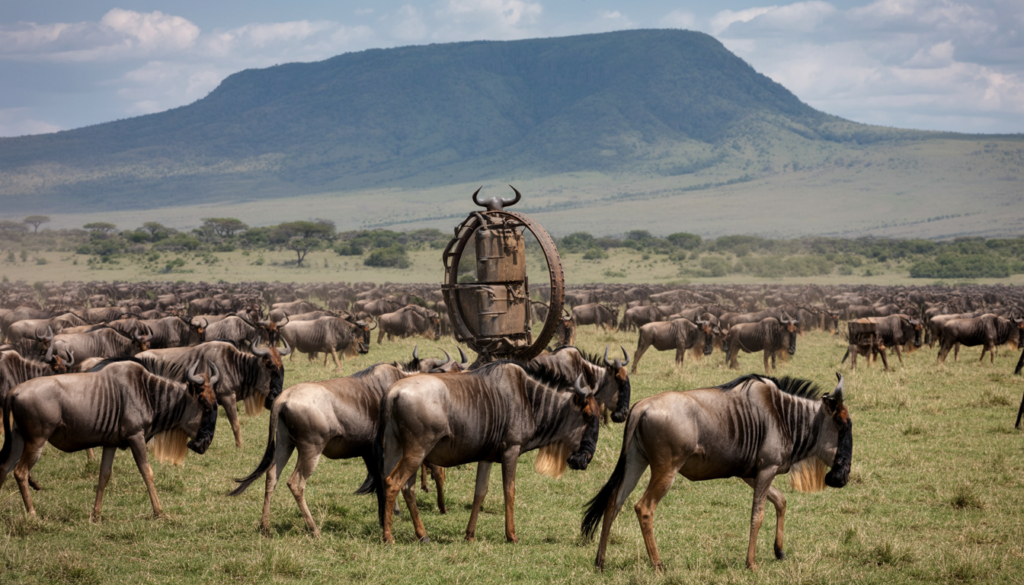

The Great Wildebeest Migration is one of the most breathtaking wildlife spectacles on Earth. Every year, more than 1.5 million wildebeests, accompanied by hundreds of thousands of zebras and gazelles, travel across the vast plains of Tanzania and Kenya in search of fresh grazing land and water. This incredible journey attracts wildlife enthusiasts, photographers, and safari travelers from around the world.
If you are planning an unforgettable African safari, knowing the best locations to witness the Great Wildebeest Migration can make your experience truly extraordinary. From dramatic river crossings to endless savannah landscapes filled with wildlife, here are the top destinations where you can experience the migration up close.
1. Serengeti National Park, Tanzania
Serengeti National Park is the heart of the Great Wildebeest Migration. Covering nearly 15,000 square kilometers, this iconic park hosts the migration for most of the year. The Serengeti offers diverse landscapes, including grasslands, woodlands, and river systems that support an abundance of wildlife.
Why Visit the Serengeti?
- Massive herds of wildebeests and zebras
- Excellent predator sightings, including lions and cheetahs
- Scenic landscapes perfect for photography
- Year-round safari opportunities
Best Time to Visit
The southern Serengeti is ideal between January and March during the calving season, when thousands of wildebeest calves are born daily.
2. Masai Mara National Reserve, Kenya
The Masai Mara is one of the most famous safari destinations in Africa and a prime location for viewing the Great Wildebeest Migration. Known for its dramatic river crossings, the reserve becomes a wildlife paradise between July and October.
Highlights of the Masai Mara
- Thrilling Mara River crossings
- Exceptional opportunities for wildlife photography
- Large populations of big cats
- Luxury and budget safari camps available
Best Time to Visit
Visit from July to October when the migration enters Kenya and river crossings are at their peak.
3. Northern Serengeti, Tanzania
The Northern Serengeti is one of the best-kept secrets for travelers seeking a quieter migration experience. This region offers front-row access to the famous river crossings without the larger crowds often seen in the Masai Mara.
What Makes Northern Serengeti Special?
- Less crowded safari experience
- Incredible river crossing action
- Luxury tented camps near migration routes
- Stunning landscapes and diverse wildlife
Best Time to Visit
The migration typically reaches the Northern Serengeti between July and September.
4. Ndutu Region, Tanzania
Located in the Ngorongoro Conservation Area, the Ndutu region is famous for the calving season of the Great Wildebeest Migration. During this period, the plains are filled with newborn wildebeests, attracting predators such as lions, hyenas, and leopards.
Why Travelers Love Ndutu
- Witness thousands of wildebeest births
- Great predator-prey interactions
- Ideal for wildlife photography
- Beautiful open plains for game drives
Best Time to Visit
The best months are January through March.
5. Grumeti Reserve, Tanzania
Grumeti Reserve offers an exclusive safari experience and is another important stop along the Great Wildebeest Migration route. This private reserve is known for luxury lodges and incredible wildlife encounters.
Key Attractions
- Private and less crowded safaris
- Close encounters with wildlife
- Scenic Grumeti River crossings
- High-end safari accommodations
Best Time to Visit
May and June are excellent months to witness the migration moving through the western corridor.
6. Western Corridor, Serengeti
The Western Corridor is famous for dramatic Grumeti River crossings, where crocodiles wait for migrating herds attempting to cross the river.
What to Expect
- Action-packed river crossing scenes
- Large crocodile populations
- Excellent safari camps and lodges
- Rich wildlife diversity
Best Time to Visit
The migration usually passes through this region from May to July.
Tips for Experiencing the Great Wildebeest Migration
To make the most of your safari adventure, consider these important travel tips:
Book Early
The Great Wildebeest Migration attracts visitors from around the world, so safari lodges and camps fill quickly during peak seasons.
Choose the Right Season
Different stages of the migration occur in different regions throughout the year. Researching seasonal patterns can help you decide which experience you want most.
Bring Proper Safari Gear
Essential items include:
- Binoculars
- Neutral-colored clothing
- Camera with zoom lens
- Sunscreen and hat
- Comfortable walking shoes
Hire Experienced Guides
Knowledgeable safari guides can help you track the migration and improve your wildlife viewing opportunities.
Why the Great Wildebeest Migration Is Worth Experiencing
The Great Wildebeest Migration is more than just a safari event—it is a natural wonder that showcases the beauty and power of Africa’s wildlife ecosystem. Watching millions of animals move across the plains while predators follow closely behind creates a once-in-a-lifetime experience that few destinations in the world can match.
Whether you choose the endless plains of the Serengeti, the thrilling river crossings of the Masai Mara, or the peaceful landscapes of the Northern Serengeti, each destination offers a unique perspective on this extraordinary wildlife journey.
Final Thoughts
Experiencing the Great Wildebeest Migration up close is a dream adventure for nature lovers and safari enthusiasts alike. From Tanzania’s Serengeti National Park to Kenya’s Masai Mara, these top migration locations provide unforgettable wildlife encounters and stunning scenery.
By choosing the right destination and timing your safari carefully, you can witness one of the greatest natural events on the planet and create memories that will last a lifetime.